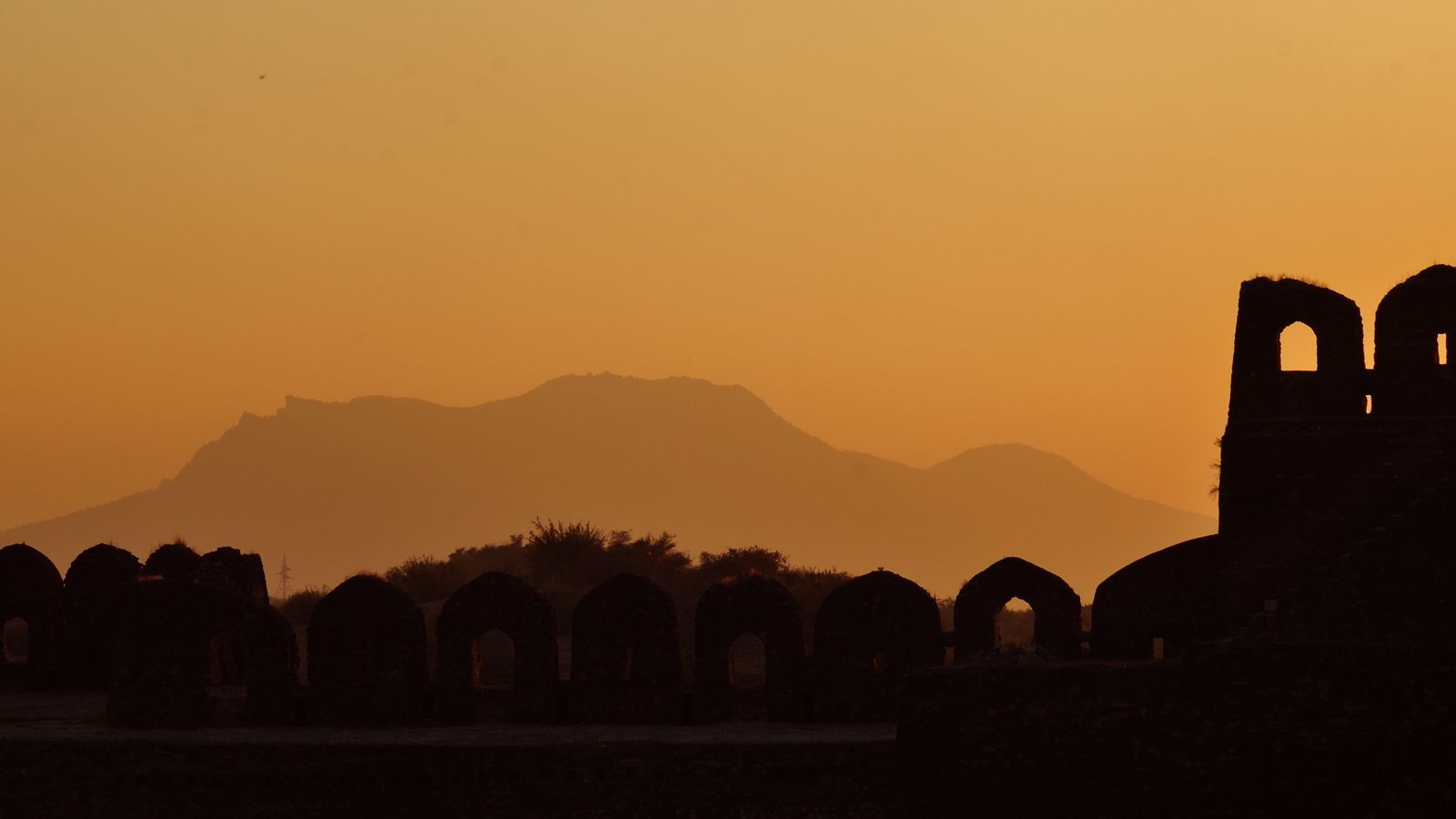
In short
- Who
- A Punjabi folk singer, 1949 or 1951 to 2011, known as Kaliyan da Badshah, the King of Kalis.
- Real name
- Latif Mohammad. He was born on 15 November at Jalal, in Bathinda district of Indian Punjab, the son of a village singer, Nikka Khan.
- Known for
- The kali, a short, fast, high-sung ballad that tells one scene of a Punjabi legend, and songs of Heer and Ranjha, Mirza and Sahiban, Dulla Bhatti, and Jaimal and Phatta.
- Signature song
- Tere Tille Ton, “From your hill” (1976), words by Dev Tharike Wala. Ranjha, come to the jogis' hill to take jog, tells its master that from there he can see Heer's face. The hill is Gorakh's tilla, which old books identify with Tilla Jogian, in Pakistan's Jhelum district.
- Died
- 30 November 2011 in Ludhiana, of a lung infection after a long illness, The Tribune reported; ThePrint later said pneumonia. Buried at Jalal with state honours.
- Legacy
- Diljit Dosanjh grew up listening to him with his father; Amrinder Gill and Surinder Shinda named him as an inspiration, and Jazzy B was his pupil. Panjabi MC was making tracks with him by the mid-1990s, and DJs still remix him.
We follow him from a village school assembly to the stage. His life is told mostly in newspapers, record sleeves and memory, which do not always agree, and our labels mark where they part. Tap a Punjabi word to see it in both scripts.
Jalal, 2 December 2011
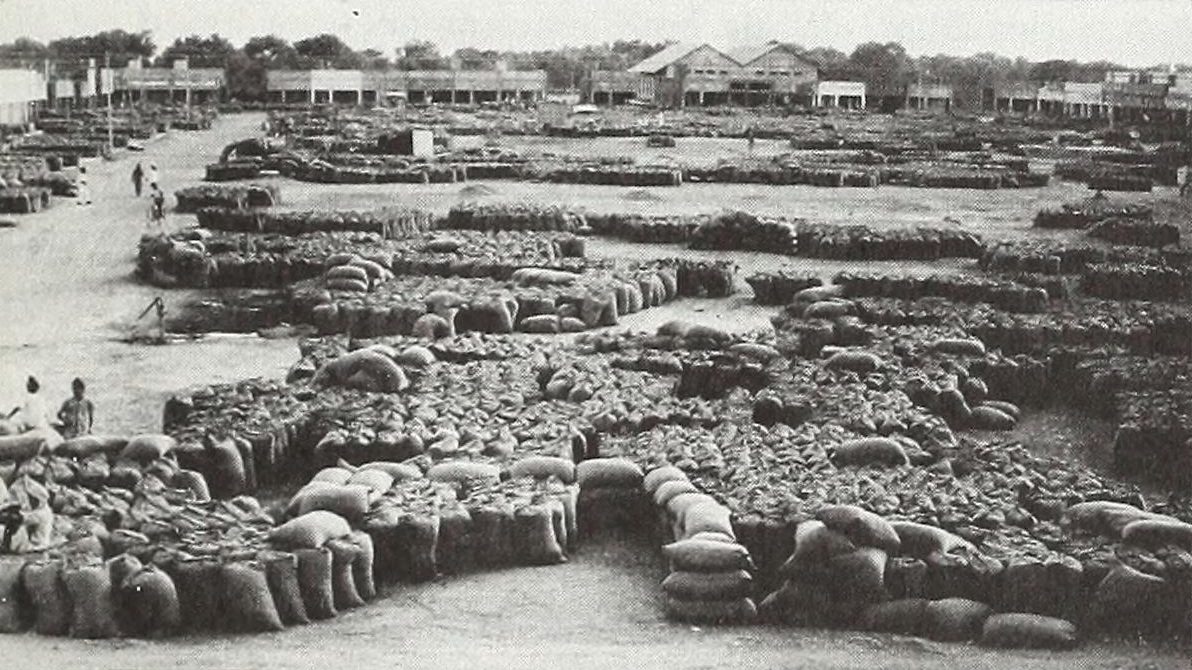
On 2 December 2011 a funeral van came home to Jalal, a farming village in Bathinda district. It had driven from Ludhiana with loudspeakers fitted to it, playing music, and more than a hundred vehicles behind it. For two hours the body lay in the grain market so that the village could see him. His wife, Sarabjit Kaur, and his daughter, Shakti, sat beside it. Among the mourners were the singers Hans Raj Hans, Harbhajan Mann, Sardool Sikander, Mohammad Sadique and Jazzy B, and a comedian turned politician named Bhagwant Mann, who would one day be Punjab's Chief Minister. His son, Yudhvir, was brought to the graveyard for a few minutes to perform the last rites. Then the man the village sarpanch called Kaliyan da Badshah, the King of Kalis, was buried in the village graveyard with state honours, a police guard firing into the air.
He had been born in Jalal as Latif Mohammad, the son of a village singer, in one of the few places in East Punjab where Muslim families stayed after 1947. The song that made him a king is set on a hill that old books place about 300 kilometres away, in Pakistan. Whether he ever stood on it, we do not know. People are still remixing it.
Born Latif Mohammad, into a family of singers
Jalal lies in the Malwa country, south of the Sutlej. In 2011 about 400 of its 6,500 people, The Tribune reported, came from Muslim families. In 1947 the violence of Partition drove almost all of East Punjab's Muslims west into Pakistan, and only in a few places did Muslim families stay. Latif's was one of them.
The family were Mirasis, Punjab's hereditary singers, musicians and keepers of family histories. The word has too often been used as an insult. We use it as the name of a craft, the one that gave Guru Nanak his companion and rabab player, Bhai Mardana. His father, Nikka Khan, was a singer, and Latif was the second of his three sons. Manak traced the family back to hazoori raagis, singers of Sikh devotional music at the court of the Maharaja of Nabha. Family tradition
In the village he was Ladha, “the young slim lad who moved around the village singing in his own masti”, as The Tribune described him when he died. He began singing at the school assembly and left school young to sing for a living. His teacher, most accounts agree, was Ustad Khushi Muhammad, a qawwal, or singer of Sufi devotional song, of Ferozepur or of Bhuttiwala, near Muktsar: the accounts differ. Probable
Kuldeep, “lamp of the family”, is a common Punjabi name, and no source we trust says how he came by it. Manak means a ruby. Gurbhajan Gill, president of the Punjabi Sahit Akademi, said in 2011 that his talent had turned a nickname, Manka, into Kuldeep Manak. Profiles since tell it another way: the Chief Minister, Partap Singh Kairon, heard the boy sing (at a sports fair, a school function or a wedding, depending on the teller) and called him a manak. Kairon left office in 1964, so if it happened, Latif was still a schoolboy. Oral history
Ludhiana, 1968: the first record
Ludhiana was where a Punjabi singer went to be found. Latif sang in the troupe of Harcharan Grewal and Seema, one of the singing duos of the day; Grewal paid him fifteen rupees a month, a Punjabi profile says. When the troupe came to Delhi, The Tribune recalled, a record company official spotted him and asked him to record a song with Seema.
The result, in 1968, was a ten-inch shellac disc on the Columbia label, made to spin at 78 turns a minute: Jija Akhian Na Maar, credited to Kuldip Manak and Seema. In the song a girl tells her sister's husband to stop making eyes at her. Babu Singh Maan wrote the words, K.S. Narula the music, and The Tribune called the record a runaway hit. Manak was 17 or 19, depending on which birthday you believe.
It was the sound of a new Punjab, records and outdoor stage shows, solo singers and male and female duos, which the ethnomusicologist Gibb Schreffler calls commercial folk. Most of its stars, he notes, did not come from families of hereditary musicians. Manak did, and he was “one of the best-loved singers of the era”.
But the music Manak was heading for was older than any duet. By 1971 he had recorded Maa Mirze Di Boldi, “Mirza's mother speaks”, a scene from the legend of Mirza and Sahiban. Two years later he was making records with the writer who would make his name.
Dev Tharike Wala, the man who wrote the kalis
Manak's writer lived in a village outside Ludhiana. Hardev Dilgir, of Tharike, wrote his songs as Dev Tharike Wala. When he died there in January 2022, aged 83, The Tribune said he had written nearly 35 books of songs and stories, and that the music world knew him as Baba Bohar, its old banyan tree.
How the two met depends on who tells it: at Soma the wrestler's dhaba near the Ludhiana bus stand, says a 2021 profile, or at one of Manak's shows, says The Tribune. Either way, by 1973 they had made a record together.
Punjab Diyan Lok Gathawan, “Folk ballads of Punjab”, was a small seven-inch record of four songs on the Odeon label: Jaimal Phatta, Dulla Bhatti, Heer Di Kali and Raja Rasalu. Look at who is on it. Jaimal and Phatta, two Rajput captains who held the fort of Chittor against the emperor Akbar until it fell in 1568. Dulla Bhatti, a Muslim landholder of the Bar who, the ballads say, rebelled against Akbar and was hanged at Lahore, by the usual dating in 1599, and who is still sung about every Lohri. Heer, the Sial girl of Jhang, and Ranjha with his flute. Raja Rasalu, the legendary prince of Sialkot. Two of the four stood against Akbar, and one of the stories is not even Punjabi: Chittor is in Rajasthan, and Punjab's singers adopted its heroes.
The partnership lasted for decades, and it was not all battle. When Manak's mother died, Dev wrote him Maa Hundi Ae Maa, “A mother is a mother”; after that, Dev remembered, audiences asked for it at every show.
What is a kali?
Punjab's great love stories were written down as qisse, long verse romances. Waris Shah's Heer, finished in 1766-67, runs to more than six hundred stanzas and has been sung for two and a half centuries. A kali, as Manak and Dev made it, takes one moment from one of those stories, a lover at the river, a mother's warning, a brother's ambush, and sings it high and hard in about three minutes.
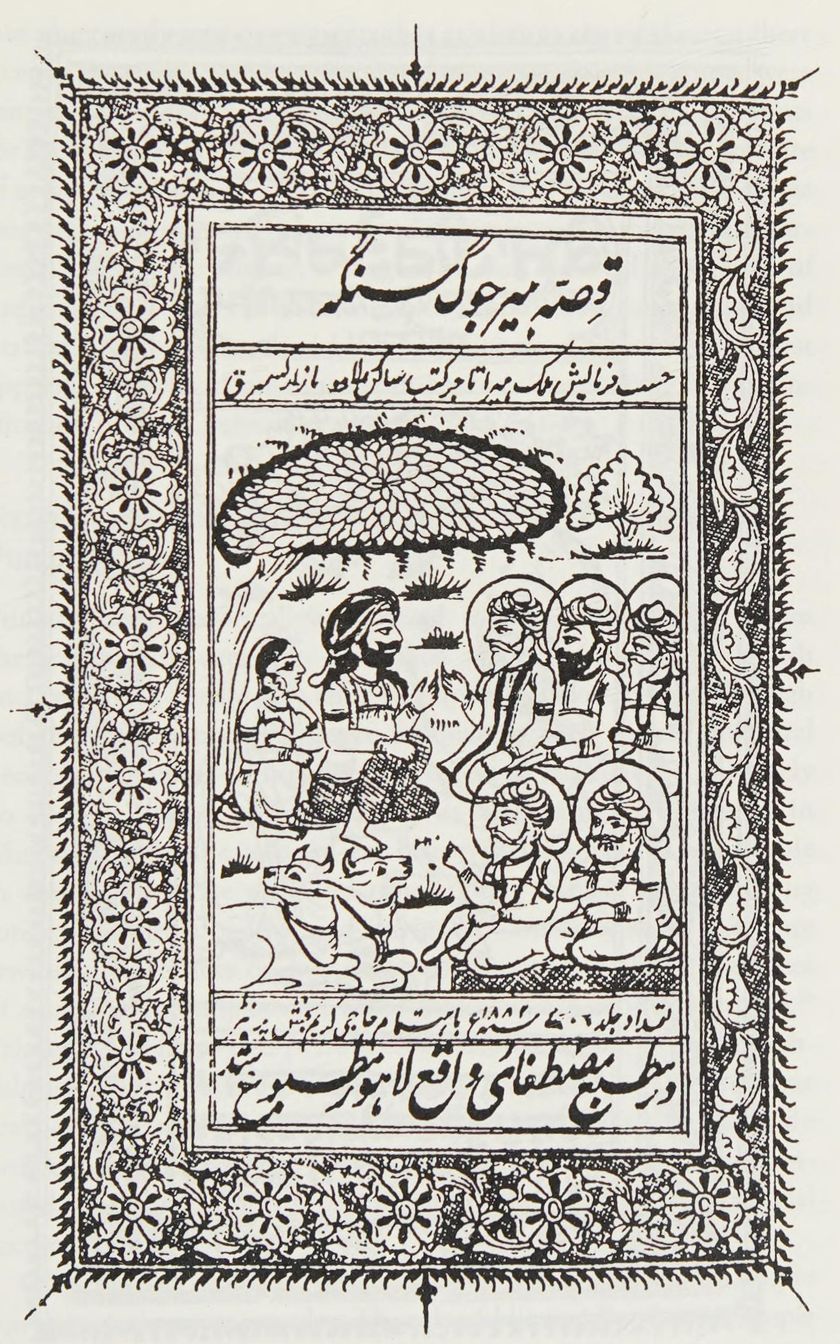
Dev called the kali a chhand, a verse form counted in matras, one beat for a short syllable and two for a long, and named three kinds of it by length (the drawing below has them). The word is older than the records: the Mahan Kosh of 1930 gives kali as a line of verse, and in 1999 Alka Pande glossed it as a piece sung by Sufi dhadis and by tumbi and algoza singers.
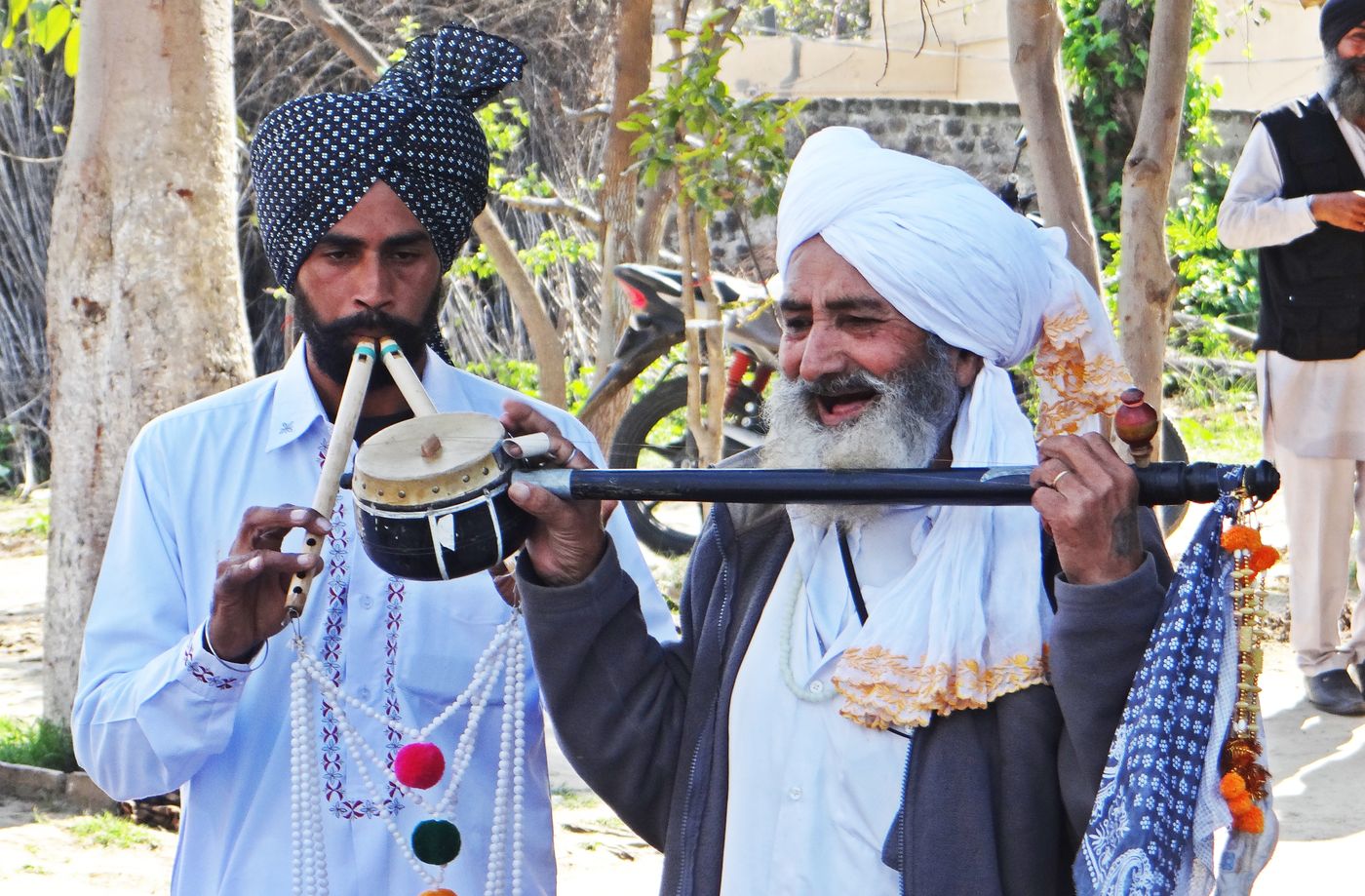
The early records put his voice over tumbi, harmonium and drums, usually cut in a single take; later ones added Spanish guitar and mandolin. It was a raw voice, one obituary said, and to ThePrint “direct and almost abrasive”. Pande heard in it “the long haek that punctuates his songs”: the hek, a folk singer's long, high, held note.
Then the word got loose. By the counts reported from Dev's own recollections, the King of Kalis recorded only thirteen to sixteen true kalis. His listeners, and his record companies, called nearly everything he sang a kali anyway.
1 One scene
2 The beat
3 The long hek
4 The band
5 The label
- The story. One scene from a qissa: Ranjha at the jogis' hill, Mirza at the end of the chase, Dulla at the gallows.
- The beat. Counted in matras: one beat for a short syllable, two for a long. Dev Tharike Wala named three kinds of kali by length: the Suchchi of 42 matras, the Amba of 42 to 45 and the Roopa of up to 52. Weakly attested
- The voice. Sung high and hard, with the long hek, a held cry that a 1999 survey of Punjab's folk music heard punctuating his songs.
- The band. Tumbi, harmonium and hand drums on the early records; Spanish guitar and mandolin on later ones.
- The label. By 1999 HMV was selling a cassette of his early ballads labelled Kalian, with Jugni filed among them.
Tere Tille Ton: what it means, and the real hill
In 1974 Manak and the singer Rahi shared a record of ballads with a song called Gorakh Da Tilla, “Gorakh's hill”. Two years later he sang about that hill again, and this time nobody forgot it.
Tere Tille Ton means “from your hill”. The whole line, as Punjabi writers print it, is Tere Tille Ton Auh Soorat Deehndi Aa Heer Di: from your hill, over there, Heer's face can be seen. Ranjha says it to Gorakh, the master of the jogis, the ascetics of the hill.
In Waris Shah's telling, Heer, daughter of the Sial chief at Jhang, falls for Ranjha, his father's favourite of eight sons at Takht Hazara, who has come to graze her father's buffaloes. Her family marries her to another man, Saida Khera. Then Heer sends word: come as a jogi, for who would know a shaven jogi? Ranjha climbs to the jogis' hill, has his ears split, and sets out to find her.
Waris Shah has Balnath, the head of the jogis' house, split Ranjha's ears, and never names Gorakh. The village singers told it Gorakh's way: in a ballad Richard Temple took down from Jats of Patiala State and printed in 1885, Ranjha steals the master's conch until Gorakh gives him his earrings himself. The song follows the singers.
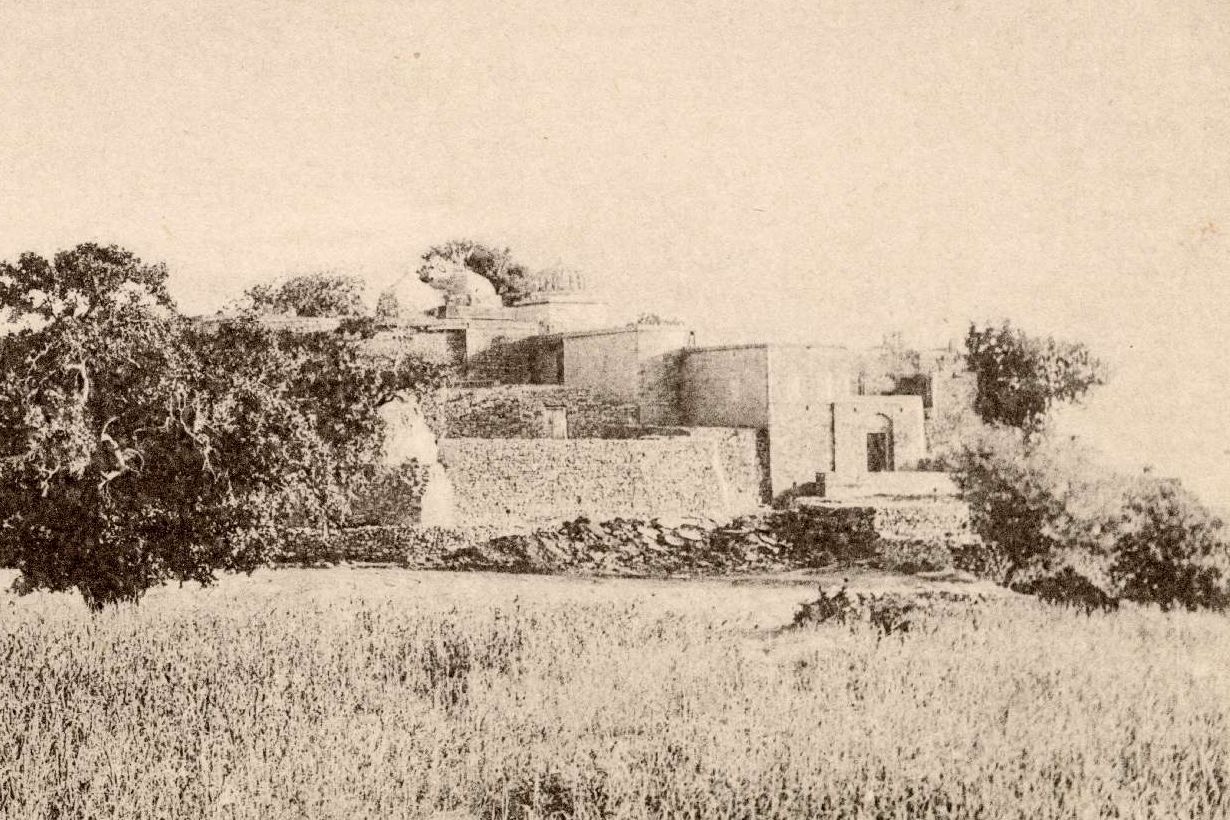
The hill is real. Old books call it Gorakh Tilla; we know it as Tilla Jogian, “the jogis' hill”, an outlying ridge of the Salt Range in Pakistan's Jhelum district, about 975 metres high, with the ruins of the Nath jogis' monastery on its top. Akbar turns up here too: when the emperor visited in 1581, his chronicler Abul Fazl wrote that the shrine was “so old that its beginning is not known”. Sikh tradition holds that Guru Nanak came there to teach the jogis. Sikh tradition From the top, Briggs wrote, “the course of the Jhelum is plainly seen”.
Before 1947 a fair was held on the hilltop at Baisakhi. Then the last jogis left. That same year, about 300 kilometres away, a family of Muslim singers at Jalal stayed where they were.
Dev wrote the words, K.S. Narula composed the music, and the song came out in 1976 on Manak's first LP, Ik Tara, “One String”, for HMV, whose sleeve seems to list it simply as Ranjhe Di Kali, “Ranjha's kali”. A Punjabi obituary said it was the song that got him talked about in every home. The title he carried for the rest of his life, Kaliyan da Badshah, came from songs like it. Nobody conferred the title. Everyone uses it.
Whether Manak ever stood on that hill, we do not know. Since 1947 it has been in another country. So, it turns out, have most of the places he sang about.
The map he sang
- Tilla Jogian Jhelum district, Pakistan, Heer and Ranjha: Ranjha climbs to the jogis' hill and has his ears split. His record: Gorakh Da Tilla (1974); Tere Tille Ton (1976).
- Takht Hazara Sargodha district, Pakistan, Heer and Ranjha: Ranjha's home, where the story starts. His record: Heer Di Kali (1973); Tere Tille Ton (1976).
- Jhang Jhang district, Pakistan, Heer and Ranjha: Heer's home, and the tomb of the two. His record: Heer Di Kali (1973); Tere Tille Ton (1976).
- Danabad near Jaranwala, Faisalabad district, Pakistan, Mirza and Sahiban: Mirza's village, where the two were buried. His record: Maa Mirze Di Boldi (1971); Sahiban Di Kali (1974).
- Gujrat Gujrat district, Pakistan, Sohni and Mahiwal: Sohni, the potter's daughter, crosses the Chenab on a clay pot. His record: Sohni Da Ghara, on Manak and Party in England, a record he shared with other singers. Gujrat is where the best-known Punjabi telling places Sohni; the Sindhi telling puts her shrine at Shahdadpur.
- Sialkot Sialkot district, Pakistan, Raja Rasalu and Puran Bhagat: the city of the legendary prince and his half-brother. His record: Raja Rasalu (1973); Pooran Bhagat (1974, with Rahi). The princes are legend; the city is real.
- Pindi Bhattian Hafizabad district, Pakistan, Dulla Bhatti: the rebel's home country, the old Bhatti lands. His record: Dulla Bhatti (1973). The Bhattis held the country round Pindi Bhattian; tradition makes it Dulla's home.
- Lahore Lahore, Pakistan, Dulla Bhatti: hanged here, the ballads say, by the usual dating in 1599. His record: Dulla Bhatti (1973).
- Jalal Bathinda district, India, His birthplace, and his grave.
- Ludhiana Ludhiana district, India, His city: where he made his name, and where he died.
- Chittor Rajasthan, India, Jaimal and Phatta hold the fort against Akbar, 1567 to 1568. His record: Jaimal Phatta (1973).
- Bhambore Sindh, Pakistan, Sassi and Punnu: Sassi's city. His record: Ajj Dhee Ik Raje Di (film Sassi Punnu, record 1982).
- Kech Balochistan, Pakistan, Sassi and Punnu: Punnu's home, which Sassi dies trying to reach. His record: Ajj Dhee Ik Raje Di (film Sassi Punnu, record 1982).
On the map, the pattern is plain. Heer lived at Jhang and Ranjha at Takht Hazara. Mirza rode out of Danabad to carry off Sahiban, and the two are buried there. Sohni crossed the Chenab at night on a clay pot to meet Mahiwal. Dulla Bhatti's people held the country round Pindi Bhattian, and Raja Rasalu's city was Sialkot. Every one of those places is in Pakistan today, and so are Bhambore, in Sindh, and Kech, in Balochistan, where Sassi and Punnu belong. The man who sang them lived all his life on the Indian side, between Jalal and Ludhiana.
The qisse were written when there was one Punjab, and the poets who wrote them and the people who loved them were Muslim, Hindu and Sikh. Waris Shah himself was a Muslim poet from near Sheikhupura. Partition drew its line through the land in 1947. The stories had been sung across it for centuries, and on both sides they went on being sung.
One of his heroes came from his own Malwa country: Jeona Morh, the outlaw of a tale set there in the late nineteenth century, whose ballad Manak recorded in 1974. How much of the story is history, no record we have found can say. Folklore
Akharas, films and a stage in Surrey
If you have seen Imtiaz Ali's 2024 film Amar Singh Chamkila, with Diljit Dosanjh in the title role, you have seen an akhara: an open-air show on a village field, a singer and his band on a stage, and everyone who could walk there. Through the 1970s and 1980s the akhara and the record were how Punjabi folk reached its audience, and Manak was one of the stars of both. The singer Labh Janjua said that the Sabhyacharak Mela, a cultural fair where Manak sang, “was alive because of him”.
He sang in Punjabi films, among them Saidan Jogan (1979), Lambardarni (1980) and Sassi Punnu (1983), and recorded everything from ballads of Sikh heroes, such as Singh Soorme, to devotional songs for Guru Ravidas, the Devi and Baba Balaknath.
He followed Punjabis abroad. A record called Manak and Party in England came out on a British label. He toured Australia with his pupil Jazzy B and shared a stage in Canada with Amrinder Gill. And a photograph in the University of the Fraser Valley's archive shows him singing at the Ghadri Babe Mela, the fair held in memory of the Ghadar revolutionaries, at Bear Creek in Surrey, British Columbia, on 7 August 2000. A few years later, Schreffler called him “still something of a hero for the upcoming generation of Punjabis living abroad”.
Last years, and how he died
In 1996 he stood for Parliament from Bathinda as an independent. He came fifth of twenty-three, with about 23,000 votes, and lost his deposit. He had been “too simple to even contest elections”, the elders of Jalal told reporters in 2011; someone from politics had talked him into it.
He had been ill for a long time; ThePrint wrote in 2025 that an illness in 2003 had left him with paralysis and largely ended his career. The Punjab government's Languages Department had decided to give him its award as the best Punjabi singer; he did not live to receive it. On 18 November 2011 he was admitted to Dayanand Medical College and Hospital in Ludhiana. He died in Ludhiana on 30 November, of a lung infection, The Tribune's Amritsar edition reported; ThePrint later gave the cause as pneumonia.
Two days later he went home to Jalal, to the funeral with which we began. His name is nowhere on the village school where he first sang at assembly. “We have no tradition of mentioning names of the old students in school,” said Harvinder Singh, whose family had given the land for it. “But everyone knows that Manak belonged to us.”
Why he still sounds new
“My father and I used to listen to ustadji together,” Diljit Dosanjh said when Manak died, “and I was a huge fan and took inspiration from him.” If you first heard him through a parent too, you are in good company. Amrinder Gill called him “an inspiration for singers like me, who have grown up on listening to his folk songs”, and Surinder Shinda said: “My style of singing has taken a lot from his style.” ThePrint reports that Sidhu Moose Wala named him as an influence. Jazzy B, his shagird, made an album with him, Maharajas (2011), and had spoken to him two or three days before he died. People even added his name to the names of those they loved. “There could not have been a better token of affection,” the writer Ninder Ghungrana said.
British producers found him early. In 1996 Ambi Bilga's bhangra album Dhol Crusader advertised “Panjabi MC's brand new Kuldip Manak track” on its cover, and in 2010, with Mundian To Bach Ke long since round the world, Panjabi MC released a single with him, Jodi – Big Day Party. The remixes keep coming: search for Tere Tille Ton on SoundCloud or Audiomack and you will find it as trap, as phonk and as DJ mixes, and on 25 October 2026 it stood highest of his own recordings in Spotify's list of his top tracks.
Why does a voice cut on shellac and tape half a century ago survive the trip into a trap beat? We think there are three reasons. The stories are older than any genre, and they still work: love against family, honour against the state, a man on a hill looking for a face. The voice does not plead; it announces. And for Punjabis who left, his songs were one way of carrying home with them, a home whose old stories lie on both sides of a border. Interpretation
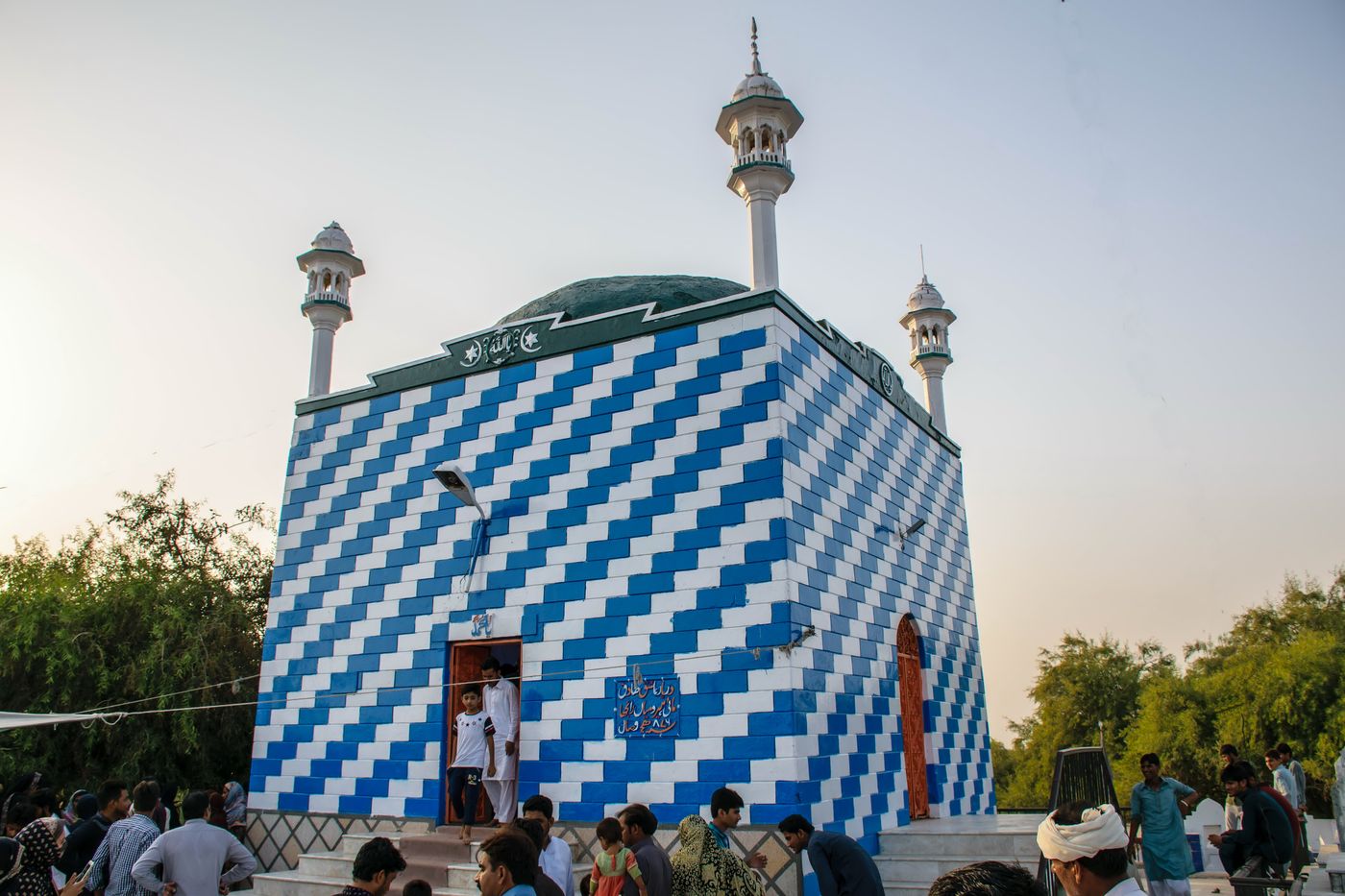
The jogis' hill still stands in the Salt Range, about 300 kilometres and one border from his grave. In 2024, on the anniversary of his death, his family and pupils gathered at a memorial near Raikot, in Ludhiana district, and his son, Yudhvir, sang there. They call it Tilla Manak Da: Manak's hill.
If you are new to him, start with the ten songs below.
Start here: ten songs
Ten records in the order he made them, from the duet that started it to the British single near the end. His records for the Gramophone Company of India, the company behind the HMV, Columbia and Odeon labels there, now belong to Saregama, as it is called today, and many are on the streaming services. Find him on Saregama or Spotify.
-
Jija Akhian Na Maar
ਜੀਜਾ ਅੱਖੀਆਂ ਨਾ ਮਾਰ
Brother-in-law, don't make eyes at me
The story. A girl tells her sister's husband to stop making eyes at her. A cheeky duet, the kind the records and stages of the day ran on.
Why it's here. His first record, and the one that got him noticed.
-
Maa Mirze Di Boldi
ਮਾਂ ਮਿਰਜ਼ੇ ਦੀ ਬੋਲਦੀ
Mirza's mother speaks
The story. A scene from Mirza and Sahiban, the lovers who rode away together on Mirza's mare and were overtaken by her brothers.
Why it's here. The legends arrive in his songs, two years before his ballads with Dev.
-
Jaimal Phatta
ਜੈਮਲ ਫੱਤਾ
Jaimal and Phatta
The story. Two Rajput captains hold the fort of Chittor against Akbar until it falls in 1568.
Why it's here. The first track of their first record of ballads together: a war story Punjab borrowed from Rajasthan.
-
Dulla Bhatti
The story. The rebel of the Bar who, the ballads say, defied Akbar and was hanged at Lahore, by the usual dating in 1599.
Why it's here. The hero of the Lohri song, told as a grown-up's story.
-
Jeona Mor
Jeona Morh
The story. The outlaw of a Malwa tale set in the late nineteenth century, from Manak's own corner of Punjab.
Why it's here. One of the songs his listeners name first. He came back to the story more than once, and Saregama still lists it among his hits.
-
Tere Tille Ton
ਤੇਰੇ ਟਿੱਲੇ ਤੋਂ
From your hill
The story. Ranjha, come to take jog, speaks to Gorakh, master of the jogis' hill: from your hill, Heer's face can be seen.
Why it's here. The song behind the title Kaliyan da Badshah. If you only hear one, hear this.
-
Chheti Kar Sarwan Bachcha
ਛੇਤੀ ਕਰ ਸਰਵਣ ਬੱਚਾ
Hurry, Sarwan, my child
The story. Sarwan, the son who served his blind parents, from a story told in the Ramayana and retold for centuries.
Why it's here. A story from the Hindu tradition, on the same record and in the same voice as Tere Tille Ton.
-
Yaaran Da Truck
ਯਾਰਾਂ ਦਾ ਟਰੱਕ
The friends' truck
The story. A film song from the Punjabi cinema of 1980, with a truck in its title.
Why it's here. Nowadays, Gibb Schreffler records, this whole music is looked on nostalgically as oldies or condescendingly as truck driver music. Manak sang the truck itself.
-
Ajj Dhee Ik Raje Di
ਅੱਜ ਧੀ ਇੱਕ ਰਾਜੇ ਦੀ
Today, a king's daughter
The story. Sassi, a king's daughter of Bhambore, who dies in the desert following Punnu.
Why it's here. A great qissa set beyond Punjab, in Sindh and Balochistan.
-
Jodi – Big Day Party
The couple
The story. A wedding-party single from the British producer behind Mundian To Bach Ke.
Why it's here. The old voice on a new beat, a year before he died, and fourteen years after a British album advertised Panjabi MC's brand new Kuldip Manak track.
Timeline
| When | What |
|---|---|
| 1949 or 1951 | Born Latif Mohammad at Jalal, Bathinda district, on 15 November. |
| 1968 | First record, a duet with Seema: Jija Akhian Na Maar (Columbia, 78 rpm). |
| 1971 | Maa Mirze Di Boldi (HMV), a scene from Mirza and Sahiban. |
| 1973 | Punjab Diyan Lok Gathawan with Dev Tharike Wala: Jaimal Phatta, Dulla Bhatti, Heer Di Kali, Raja Rasalu (Odeon). |
| 1974 | Ballads shared with Rahi on two Angel records: Gorakh Da Tilla, Sahiban Di Kali, Jeona Mor and Pooran Bhagat. |
| 1976 | His first LP, Ik Tara (HMV), with Tere Tille Ton. |
| Late 1970s | Singh Soorme, ballads of Sikh heroes and martyrs (HMV). |
| 1979 to 1983 | Film songs, among them Saidan Jogan (1979) and Sassi Punnu (1983); the music for Balbiro Bhabhi (1981). |
| 1996 | Stands for Parliament from Bathinda as an independent and loses his deposit. A new Panjabi MC track with him, Laila, opens a British bhangra album, Dhol Crusader. |
| 2000 | Sings at the Ghadri Babe Mela, Bear Creek, Surrey, British Columbia (7 August). |
| 2010 | Panjabi MC's single Jodi – Big Day Party features him (1 November). |
| 2011 | Jazzy B's album Maharajas, with Manak on six tracks. Manak dies in Ludhiana (30 November) and is buried at Jalal with state honours (2 December). |
| 2012 | Bathinda's Virasat Mela is dedicated to him. |
| 2016 | The Speaker of the Punjab Vidhan Sabha announces that the state will mark his death anniversary every year, at a programme at Tilla Manak Da near Raikot. |
| 2022 | Dev Tharike Wala dies at Tharike (25 January). |
Quick answers
Who was Kuldeep Manak?
A Punjabi folk singer, born on 15 November 1949 or 1951 and died on 30 November 2011, known as Kaliyan da Badshah, the King of Kalis, for his sung ballads of Punjab's legends. He was born Latif Mohammad at Jalal in Bathinda district, made his first record in 1968, and his best-known song, Tere Tille Ton, written by Dev Tharike Wala, came out on his first LP in 1976.
What was Kuldeep Manak's real name?
Latif Mohammad. He was born into a Muslim family of Mirasis, hereditary musicians, at Jalal in Bathinda district, and in the village he was called Ladha. Kuldeep means “lamp of the family” and manak “ruby”. No reliable source says how he came by the name Kuldeep; for Manak there are two stories, a nickname, Manka, and a compliment from the Chief Minister, Partap Singh Kairon.
What did Kuldeep Manak die of?
A lung infection, after a long illness, according to The Tribune's Amritsar edition; ThePrint later gave the cause as pneumonia. He had been in Dayanand Medical College and Hospital, Ludhiana, since 18 November, and died in Ludhiana on 30 November 2011. He was buried at his village, Jalal, with state honours on 2 December.
What does Tere Tille Ton mean?
“From your hill.” The whole line, Tere Tille Ton Auh Soorat Deehndi Aa Heer Di, says that from your hill, over there, Heer's face can be seen. Ranjha, who has come to the hill to become a jogi after losing Heer, is speaking to Gorakh, the master of the jogis' hill, which old books call Gorakh Tilla and identify with Tilla Jogian, in the Salt Range of Pakistan's Jhelum district. Dev Tharike Wala wrote the words and K.S. Narula the music, and HMV released it in 1976 on Manak's first LP, Ik Tara.
What does Kaliyan da Badshah mean?
King of Kalis. Kuldeep Manak was the best-known singer of the kali, a sung verse form that tells one scene of a Punjabi legend. It is a popular title, not an award, earned by his kalis of the 1970s, of which Tere Tille Ton (1976) is the best known. Punjabi papers also call him Lok Gathawan da Badshah, the king of folk ballads.
What is a kali in Punjabi music?
In the form Kuldeep Manak and Dev Tharike Wala made famous in the 1970s, a kali is a short, fast, high-sung ballad that tells one episode of a qissa, such as Heer and Ranjha or Mirza and Sahiban, over tumbi, harmonium and drums. Dev described it as a verse form counted in matras, the beats of syllable length. Alka Pande's 1999 glossary also gives the word for pieces sung by Sufi dhadis and by tumbi-and-algoza singers.
Was Kuldeep Manak Muslim or Sikh?
He was born into a Muslim family, as Latif Mohammad, at Jalal, one of the few villages in East Punjab where Muslim families stayed after 1947. In 2010 the magazine DESIblitz, writing from an interview with him, said that he followed Sikhism, and a Punjabi obituary of 2011 says that, turning towards Sikhism, he brought a bir of the Guru Granth Sahib into his home with respect and bowed before it. He sang Heer and Mirza, ballads of Sikh heroes, and devotional songs for Guru Ravidas, the Devi and Baba Balaknath. On the eve of his burial in the village graveyard at Jalal, a volunteer arranging it told The Tribune that a maulvi, from the village mosque or from Ludhiana, would conduct the last rites. We record what the sources say and leave his own belief to him.
Where was Kuldeep Manak from?
Jalal, a village in Bathinda district in the Malwa region of Indian Punjab. He lived and worked in Ludhiana for most of his career, and he is buried at Jalal.
Is Kuldeep Manak's son a singer?
Yes. His son, Yudhvir Manak, is a singer too, and is on two tracks of Maharajas (2011), Jazzy B's album with his father. In 2024 he sang his father's ballad of Banda Singh Bahadur at the memorial near Raikot. Manak's best-known pupil is Jazzy B himself.
Punjabi words in this article
Every Punjabi word with a pop-up on this page, in the order it first appears. All of them, and above all their Shahmukhi spellings, await a native reader's review. There are many more in our word archive, and if you would like to read the Gurmukhi yourself, start with the alphabet.
| Word | Say it | Meaning |
|---|---|---|
| kaliyan da badshahਕਲੀਆਂ ਦਾ ਬਾਦਸ਼ਾਹ · کلیاں دا بادشاہ | “kuh-lee-AAN daa baad-SHAAH” | The king of kalis: the popular title of Kuldeep Manak. Nobody conferred it; his listeners and the press gave it. |
| mirasiਮਿਰਾਸੀ · مراثی | “mi-RAA-see” | A hereditary singer, musician and keeper of family histories, and the community, mostly Muslim, that held the calling. From Arabic miras, inheritance. The word has often been used as an insult. |
| ustadਉਸਤਾਦ · استاد | “oos-TAAD” | A master who teaches an art: above all, a music teacher. His pupil is his shagird. |
| manakਮਾਣਕ · مانک | “MAA-nuk, the n with the tongue curled back” | A ruby; in the Mahan Kosh, a red gem. After the singer, some Punjabis added it to the names of those they loved. |
| qissaਕਿੱਸਾ · قصہ | “KIS-saa” | A long verse romance of Punjab, such as Heer and Ranjha or Mirza and Sahiban. Plural qisse. |
| kaliਕਲੀ · کلی | “kuh-LEE” | A sung verse form that tells one scene of a qissa, short, fast and high. Plural kaliyan. |
| chhandਛੰਦ · چھند | “CHHUND, the ch with a puff of breath” | A verse form: the fixed pattern of long and short syllables a line must follow. |
| matraਮਾਤਰਾ · ماترا | “MAAT-raa” | A beat of syllable length in Punjabi and Indian verse: a short syllable counts one, a long one two. |
| tumbiਤੂੰਬੀ · تُمبی | “TOOM-bee” | The one-stringed plucked instrument with a gourd body, the bright twang of Punjabi folk. |
| hekਹੇਕ · ہیک | “HAYK” | The long, high, held note of a Punjabi folk singer. |
| jogiਜੋਗੀ · جوگی | “JO-gee” | A yogi, an ascetic; in Punjab above all one of the Nath order of Gorakhnath, whose split ears carry great rings. |
| akharaਅਖਾੜਾ · اکھاڑا | “uh-KHAA-raa, the r flapped” | An arena: a wrestling ground or a stage for a show; in Punjab, above all, an open-air music show, a singer on a stage in a field before whoever comes. |
| melaਮੇਲਾ · میلہ | “MAY-laa” | A fair: music, wrestling, food and devotion in one field. |
| shagirdਸ਼ਾਗਿਰਦ · شاگرد | “shaa-GIRD” | A pupil who learns an art from an ustad, by long service and listening. From Persian. |