Heritage
The things Punjab made, and the things it kept
Explore the heritage
Six ways into our heritage
What our land made, it also kept: in stone, in ritual and in story. Our heritage is the forts we can still walk through, the calendar and festivals that turn our year, and the faiths that grew up side by side on the same soil, with the places and symbols they hold dear. We are gathering it in six parts. The calendar is ready to use now, the festivals begin with Diwali, and the other four are on their way.
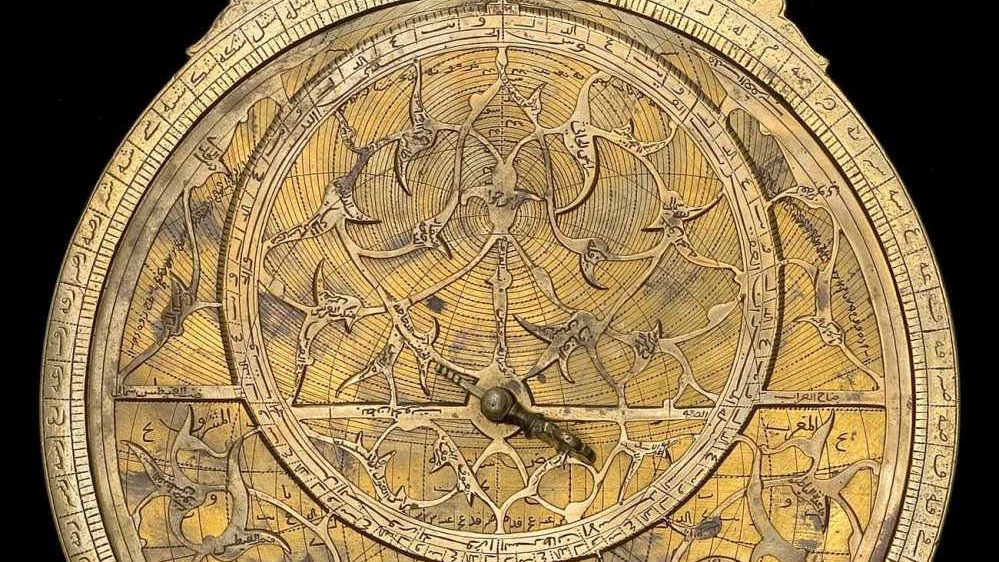
Calendar
The months our farmers name, Chet to Phaggan, each opening at sangrand, with the moon’s days printed beside them: our calendar, worked out for any day from 1469 to 2100.
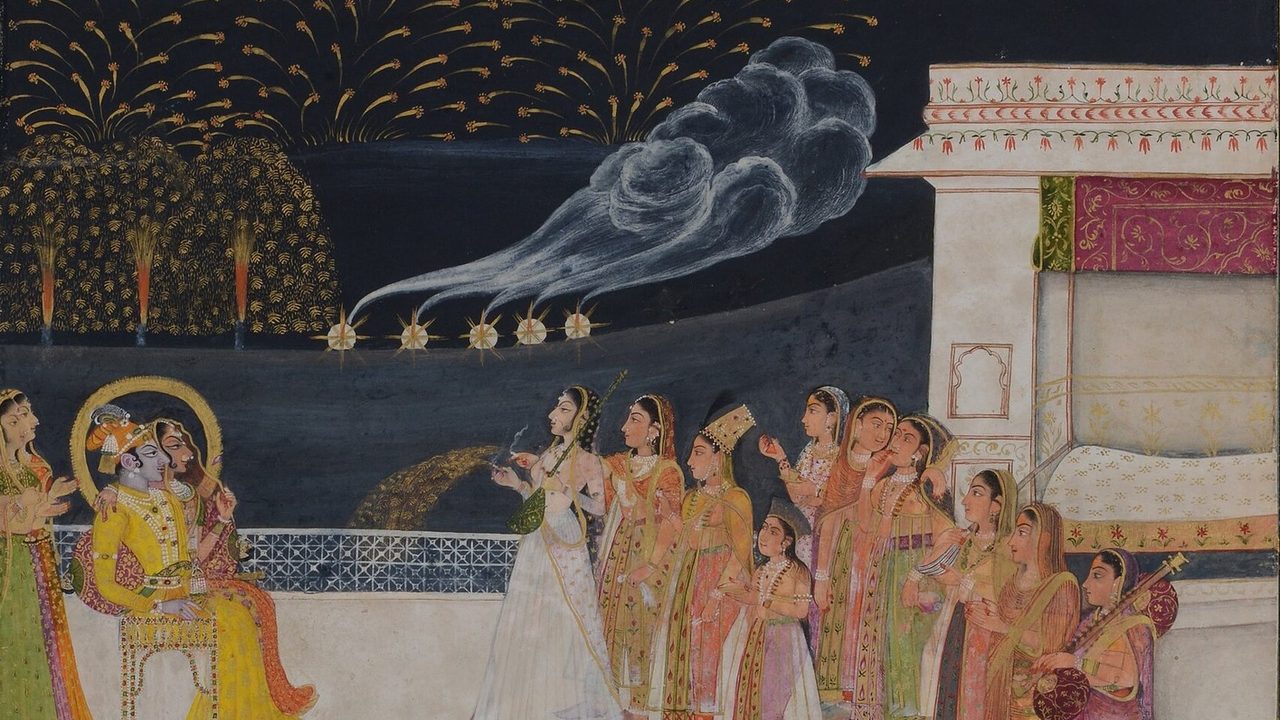
Festivals
Diwali and Bandi Chhor Divas first: why the lamps are lit on the night with no moon. Lohri’s fire, the kites of Basant, Vaisakhi and the swings of Teeyan are on their way.
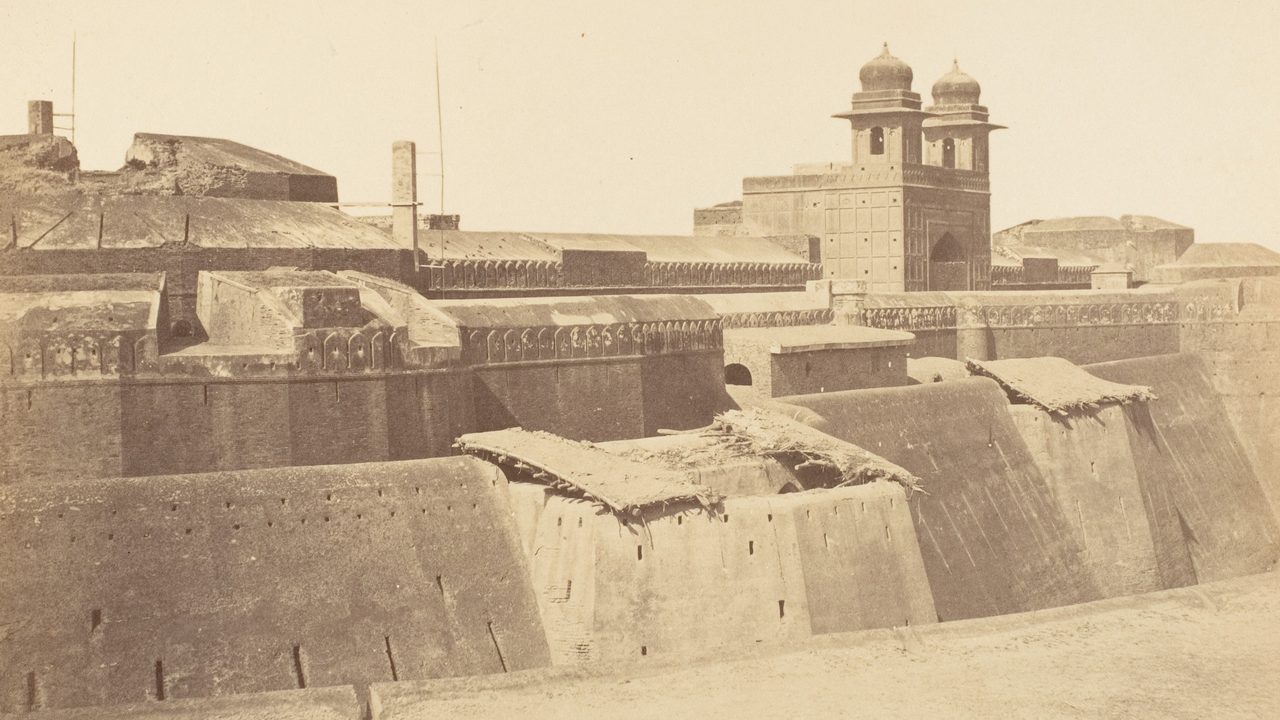
Forts & Monuments
The Lahore Fort, where Akbar held court and Ranjit Singh ruled, Attock above the Indus crossing and Phillaur on the Sutlej: the walls and gates that every age of rule has left on our land.
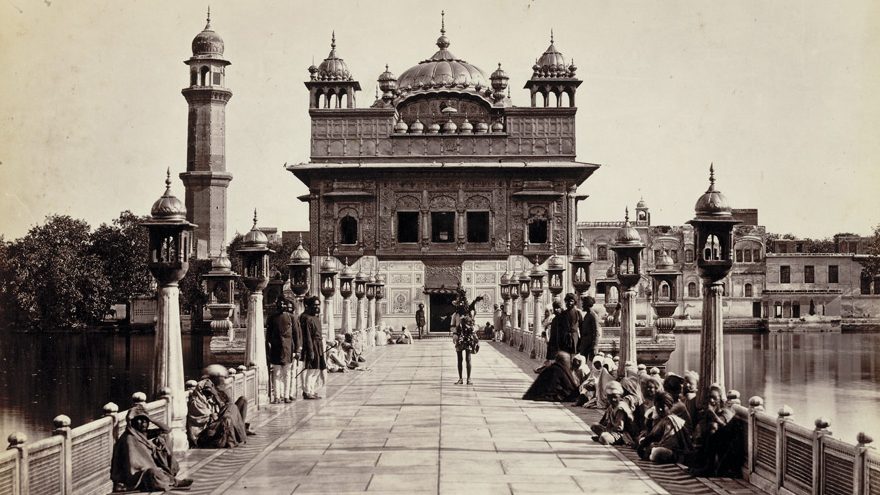
Sikhi
Guru Nanak’s Kartarpur on the Ravi, the Harmandir Sahib with a door on every side, and the Khalsa of 1699: the faith born in our land, its places and its practice.
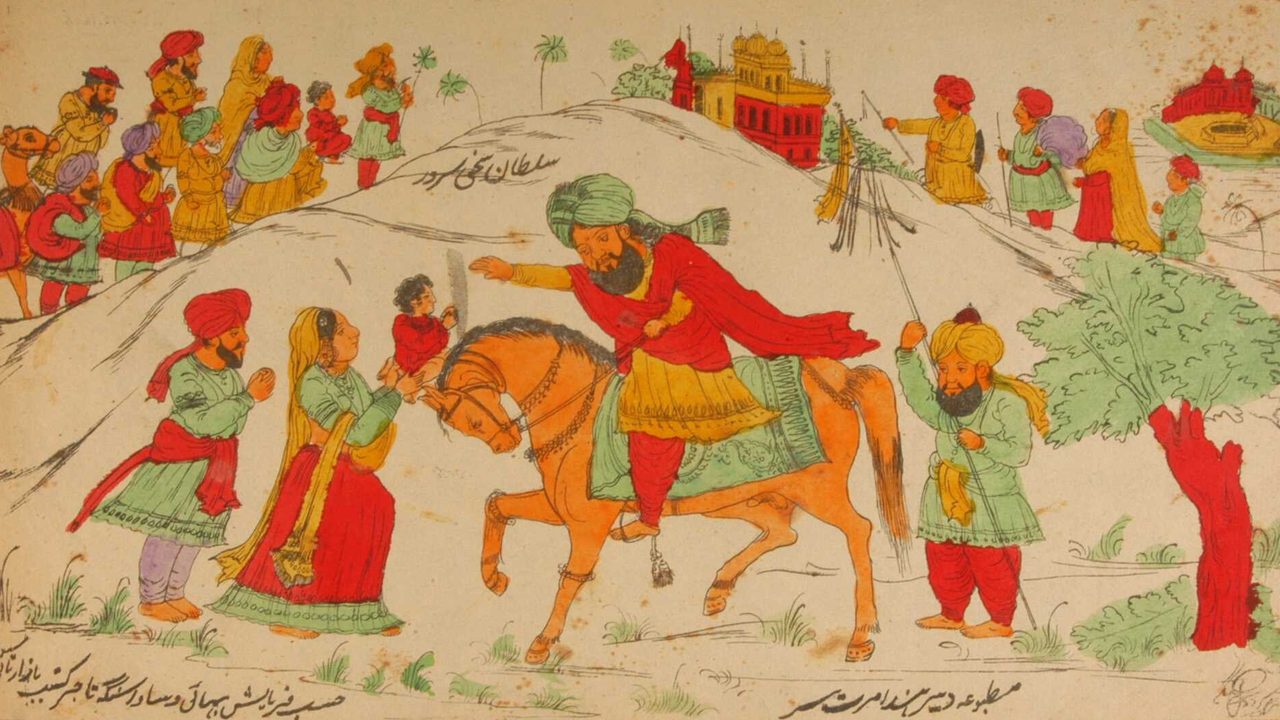
Sufi Shrines
Data Darbar at Lahore, Baba Farid’s shrine at Pakpattan and the blue-tiled tombs of Multan: places of qawwali and urs fairs, where people of every faith still come to ask for a blessing.
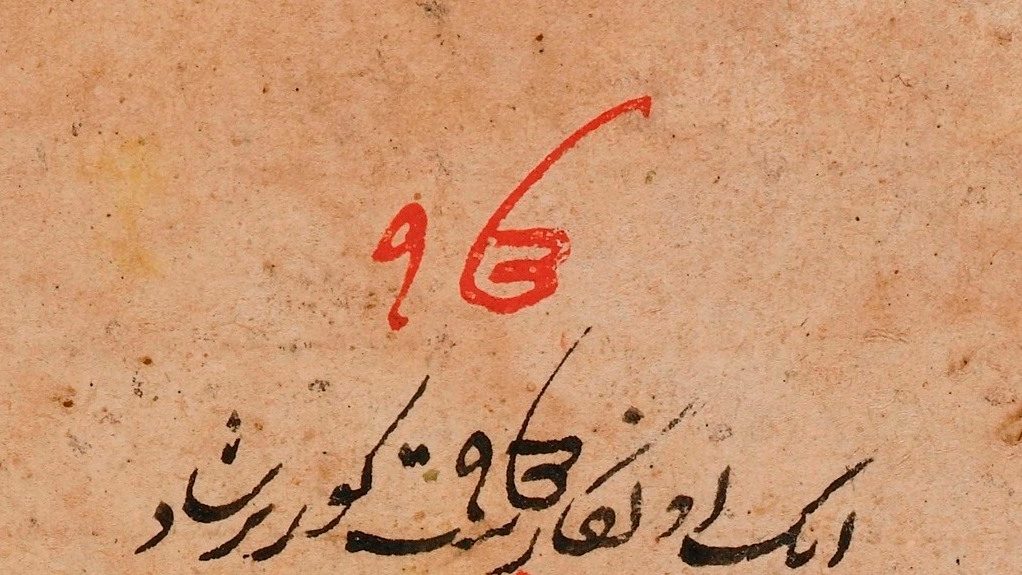
Symbols
Ik Oankar and the Khanda, the baaz, the blackbuck and the shisham tree: the emblems Punjab is known by, and the story each one carries.
Calendar: an astrolabe made in Lahore by Diya ad-Din Muhammad, brass, 1658–59. History of Science Museum, University of Oxford (inv. 53637). Museum photograph, CC BY-SA 4.0, cropped, via Wikimedia Commons.

Festivals: Radha and Krishna watching fireworks in the night sky, a painting from Kishangarh in Rajasthan, late eighteenth century, which the museum reads as the month of Kattak and its Diwali. National Museum, New Delhi, via Wikimedia Commons.

Forts & Monuments: the fort at Phillaur on the Sutlej, which the museum’s title says Ranjit Singh built, an albumen print by an unknown photographer, 1858–61. The Metropolitan Museum of Art, via Wikimedia Commons.

Sikhi: Entrance to Sikh Temple, Amritsar, the causeway to the Harmandir Sahib photographed by William Henry Baker, 1870. British Library, via Wikimedia Commons.

Sufi Shrines: Sultan Sakhi Sarwar, as the print names him, with a child held up to him, a devotional print on paper, probably Punjab, early 20th century. Musée du quai Branly, Paris, via Wikimedia Commons.

Symbols: Ik Oankar at the head of a Panjabi verse translation of the Bhagavad Gita in Persian script, copied at Ramnagar, 1835. British Library, Or. 2767, via Wikimedia Commons.

Five of the six pictures are in the public domain. The Calendar photograph is shared under CC BY-SA 4.0, and our crop of it carries the same licence.