ਮਾਂ-ਬੋਲੀ · ماں بولی · māṅ-bolī · the mother tongue
ਪੰਜਾਬੀ ਬੋਲੀ·پنجابی بولی·Punjabi Language
Punjabi is spoken by well over 100 million people across Pakistan, India and the diaspora, and written in two scripts. We teach you to read it, from the first letter to the great poems.
Where to begin
Four ways into Punjabi
New to reading Punjabi? Start with the script your family reads. Already reading one? Go straight to the library or the Parallel Reader. Nothing here has to be done in order.
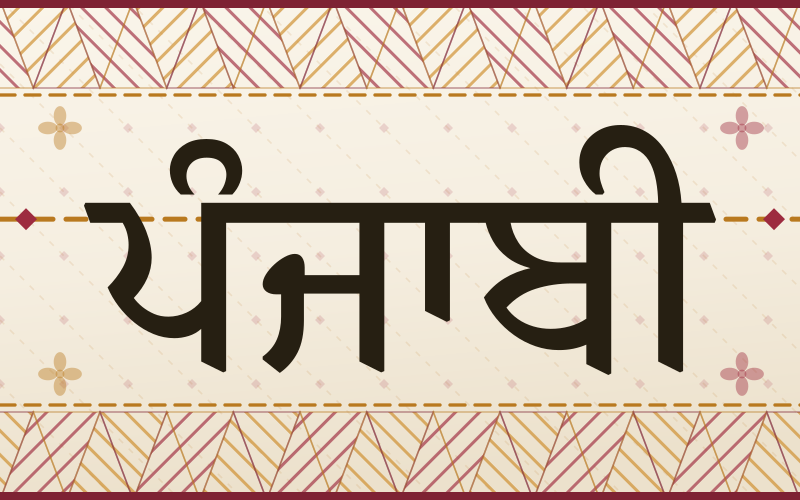
ਗੁਰਮੁਖੀ·Gurmukhi
Learn Gurmukhi
Five short lessons, from the first letter to whole sentences: the 35 letters of the paintī, the ten vowel signs, the five marks, and words to practise reading.
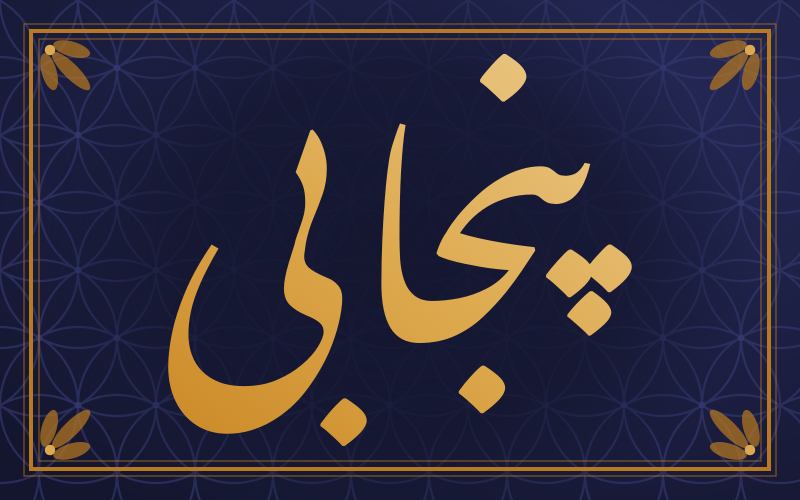
شاہ مُکھی·Shahmukhi
Learn Shahmukhi
The same language in the other hand. Right to left, letters that join and change shape as they go, and short vowels you learn to hear rather than see.
ਪੱੱਹ਼ਿਆ·Reading library
The reading library
Real Punjabi, shelved by how much help you’ll want beside you, from one word a day to the qisse themselves. The shelves grow with every update.

A Punjabia signature·Parallel Reader
The Parallel Reader
The original on one side, a faithful English translation on the other, and every single word tappable. Built for Heer, and for everything after it.
About the language
The Punjabi language at a glance
Many of us grew up speaking Punjabi at home without learning to read it. The language travelled abroad as sound, and the scripts stayed behind. These are the facts worth knowing before you start.
- How do you write “Punjabi” in Punjabi?
- ਪੰਜਾਬੀ in Gurmukhi and پنجابی in Shahmukhi, both said panjābī. The language itself is ਪੰਜਾਬੀ ਬੋਲੀ bolī, language as it is spoken, or ਪੰਜਾਬੀ ਭਾਸ਼ਾ bhāshā.
- How many people speak Punjabi?
- Well over 100 million, though estimates vary. Most live in Pakistani Punjab. Many millions more live in Indian Punjab, and in a diaspora that reaches every continent.
- What is the difference between Gurmukhi and Shahmukhi?
- Punjabi has two scripts. Indian Punjab writes it in Gurmukhi, from left to right, where every consonant carries a built-in a and every other vowel is written as a sign. Pakistani Punjab writes it in Shahmukhi, a form of the Perso-Arabic script, from right to left: its letters join and change shape, and short vowels are usually left for you to supply. The spoken language is the same.
- Which script should I learn first?
- The one your family reads. Gurmukhi if your Punjab is in India, or you want to read in the gurdwara. Shahmukhi if your family’s Punjab is west of the border, or you already read Urdu. The sounds carry over, so the second script has less to teach you.
- How old is Punjabi writing?
- The oldest Punjabi poetry that survives is by the Sufi saint Baba Farid (c. 1173–1266). After him come the hymns of the Guru Granth Sahib, Sufi poets such as Bulleh Shah, and Waris Shah’s Heer.
- Is Punjabi a tonal language?
- Yes, which is unusual among the languages related to it. Pitch can change a word: ਘਰ, house, is said close to kàr, while ਕਰ kar means do. Grammar, gently explains how to hear it.
ਅੱਗੇ · اگے · onward
Keep the thread
Reading sticks when you come back to it often. Three small habits keep your Punjabi going between lessons.