In short
- What
- The movement of Punjabis from both sides of the 1947 border to Britain, Canada, the United States and the Gulf, mostly from the 1950s to the 1980s, and still going on.
- Before 1947
- Punjabis served the Empire abroad, and from about 1904 settled in British Columbia and California, until Canada and the United States shut them out.
- Britain
- From the 1950s, men came to work in foundries, mills and factories: from Doaba in India, from Jhelum and Gujrat in Pakistani Punjab, and from Mirpur next door, in Pakistan-administered Kashmir. Their families followed after 1962.
- North America
- The doors reopened in 1946–47 and fully in 1962–67. In 2021 Canada counted 771,790 Sikhs, 2.1 per cent of its people.
- The Gulf
- From the 1970s, men on fixed contracts, many from Pakistani Punjab. Pakistan has registered more than fifteen million departures for work abroad since 1971, over nine-tenths of them to the Gulf.
- How many
- Most Punjabis still live in Punjab: close to 90 million Punjabi speakers in Pakistan and about 33 million in India, No census counts the diaspora as a whole; Canada, home to the best-documented community, counted about 942,000 people who could speak Punjabi in 2021.
We follow the leavers from the first soldiers and sawmill workers to the student wave of the 2010s, on both sides of the border. Our labels mark where historians read the evidence differently; they are explained in our editorial standards. Hover over or tap a Punjabi word to see it in both scripts.
Aeroplanes on the roof
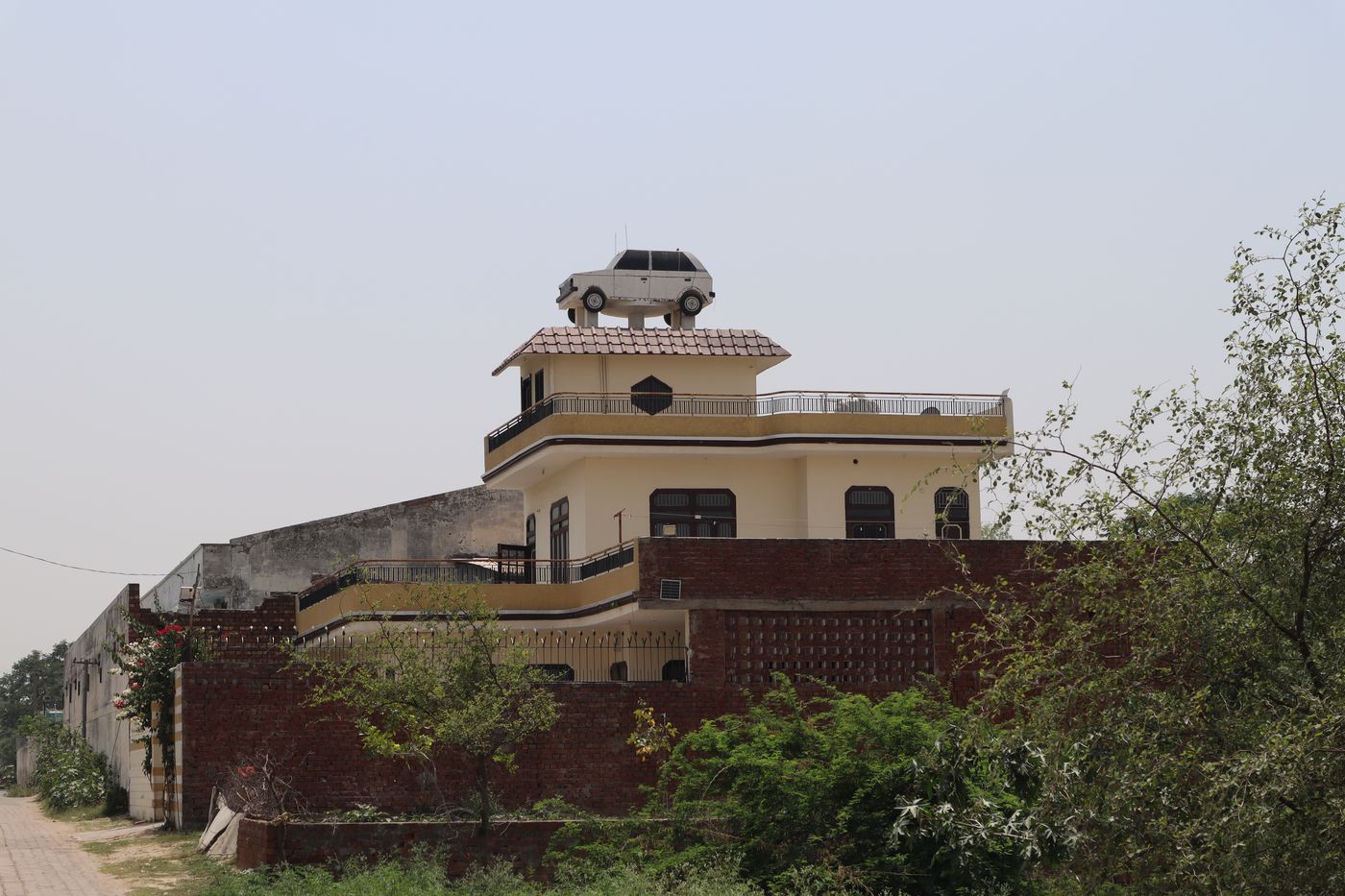
Drive through the villages of Doaba, the farming country between the Beas and the Sutlej, and sooner or later you will see an aeroplane on a roof. It is cement over steel rods and wire mesh, painted, and set on top of a house several storeys high. Very often it is the house's water tank. Other roofs carry a falcon, a football, a weightlifter, a pressure cooker or an army tank, most of them made to order for one family.
The aeroplane says the loudest thing. It announces, with pride, that someone from this house went abroad and did well. The fashion began in the late 1970s and caught on in the 1980s, when villagers who had moved abroad began building tall new houses at home. In 2022 the photographer Rajesh Vora's pictures of them hung at Surrey Art Gallery in British Columbia, in a city where many families come from those same villages.
Outside a gurdwara in the village of Talhan, near Jalandhar, roadside stalls sell toy aeroplanes beside the flags of Canada, Britain, the United States and Australia, and visitors offer the planes with a prayer for a visa. In August 2023 the gurdwara's manager put the number at about 5,000 a week. That month, after the Sikh authorities in Amritsar declared the offering contrary to Sikh tradition, the gurdwara refused them. By October it had given way to public feeling and lifted the ban.
These planes are monuments to one of the defining facts of modern Punjabi life. In 1947 Partition cut Punjab in two and drove millions of people across a new border. Within a generation, Punjabis on both sides were on the move again, this time to pardes, the foreign land: to the foundries of the English Midlands and the mills of Yorkshire, to Canada and California, and from the 1970s to the building sites of the Gulf. If our families' stories run through Southall or Surrey, Bradford or Brampton, Yuba City or Dubai, this is the larger story they belong to.
It began earlier than most of us think. And one clue to it is hidden in an old British nickname for Britain itself.
Before 1947: the first Punjabis abroad
Punjabis did not need Partition to discover the wider world. Under British rule Punjab became the Indian Army's chief recruiting ground, and Punjabi Sikhs and Muslims served as soldiers and policemen from Hong Kong to East Africa. Between 1896 and 1901 some 32,000 indentured labourers from British India, a large share of them Punjabi, built the Uganda Railway from Mombasa to Lake Victoria. When it was finished, 6,724 chose to stay.
At home, the push to leave was already strong: in 1908 the government's own gazetteer said that the crowding of Jullundur district "can only be met by emigration". Its sons had already gone to the new canal colonies and to Sind, and some as far as Australia and East Africa.
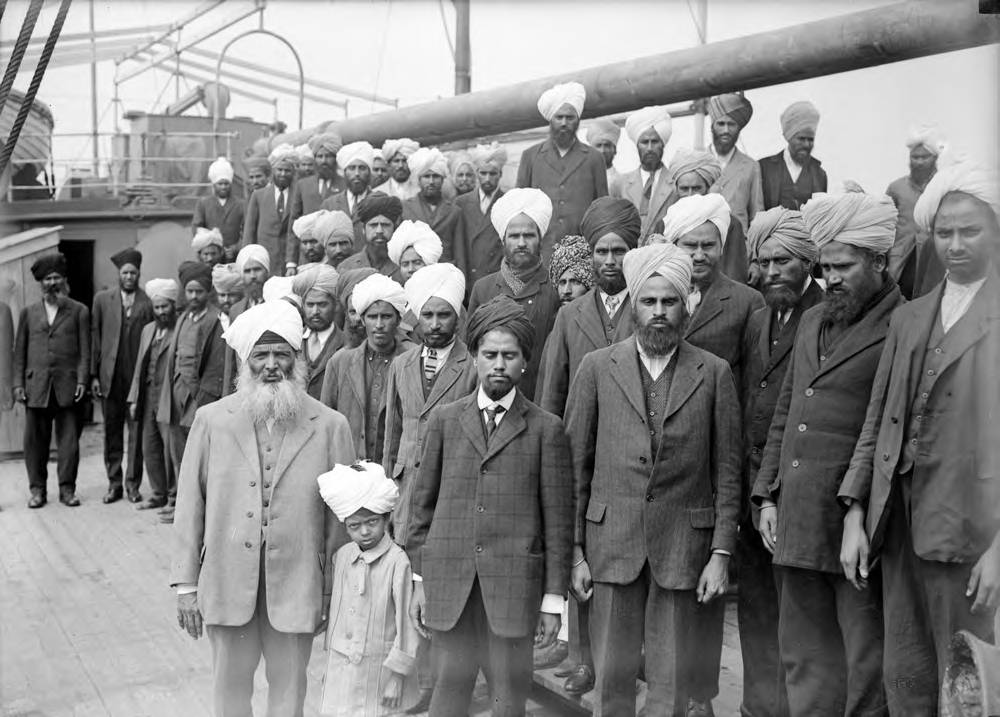
News of high wages on the Pacific coast travelled back along the same imperial routes. From about 1904 Punjabi men, overwhelmingly Sikh but with Muslims and Hindus among them, came to work in the sawmills, railways and farms of British Columbia, and others went south to Washington, Oregon and California. By 1908 more than 5,000 South Asians had landed in Canada.
The welcome was brief.
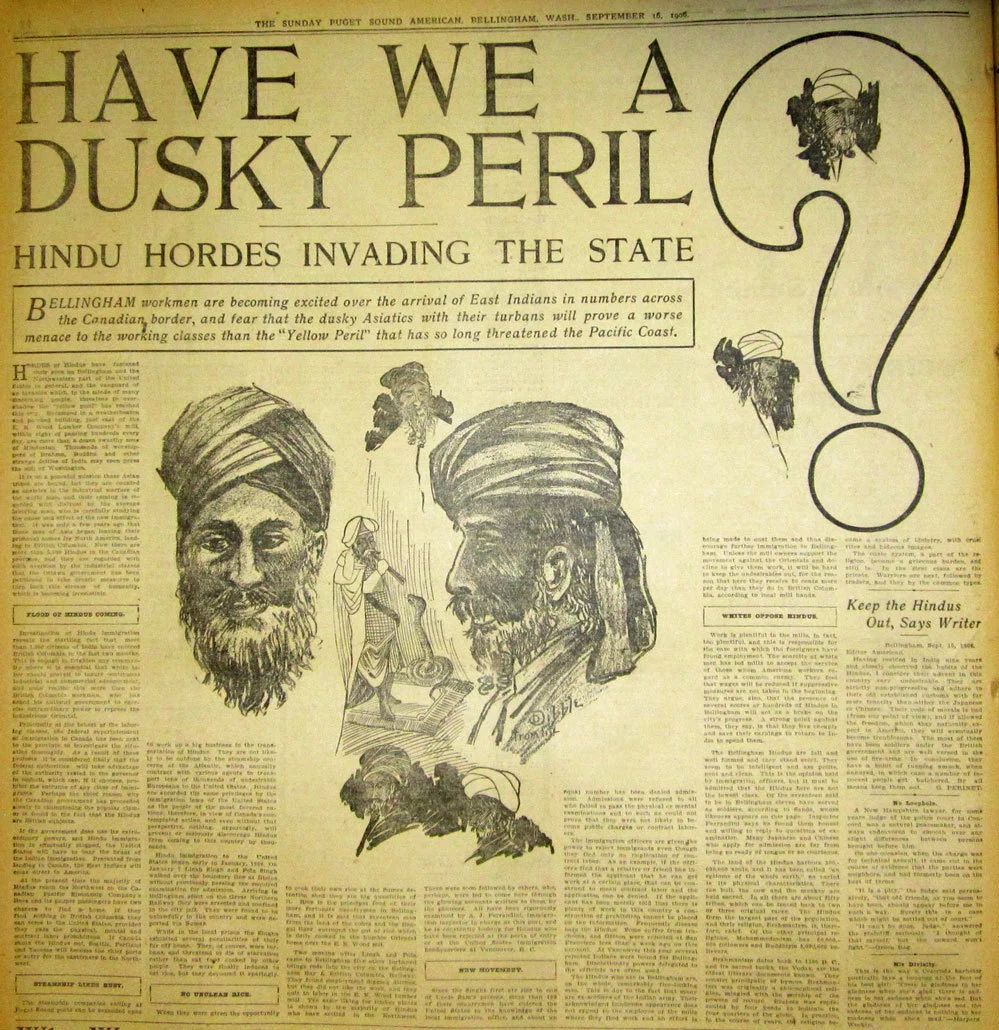
In September 1907 a mob drove South Asian mill workers out of Bellingham, Washington. In January 1908 Canada brought in the continuous-journey regulation, which turned away anyone who had not come by an unbroken journey from their country of birth or citizenship, on a through ticket bought there. Then it stopped the sale of through tickets from India. The rule never named Indians. It did not need to. In the year to March 1908, 2,623 people of Indian origin entered Canada. The next year, six did.
In 1914 came the boldest challenge yet. Gurdit Singh, a Sikh from Amritsar district who had made his money as a contractor in Malaya, chartered a Japanese steamship, the Komagata Maru, and sailed from Hong Kong to Vancouver with 376 passengers, nearly all from Punjab: mostly Sikhs, with Muslims and a few Hindus, every one a British subject. Only about twenty passengers, men who could prove they already lived in Canada, were let ashore. The ship was held in the harbour for two months and forced to sail away.
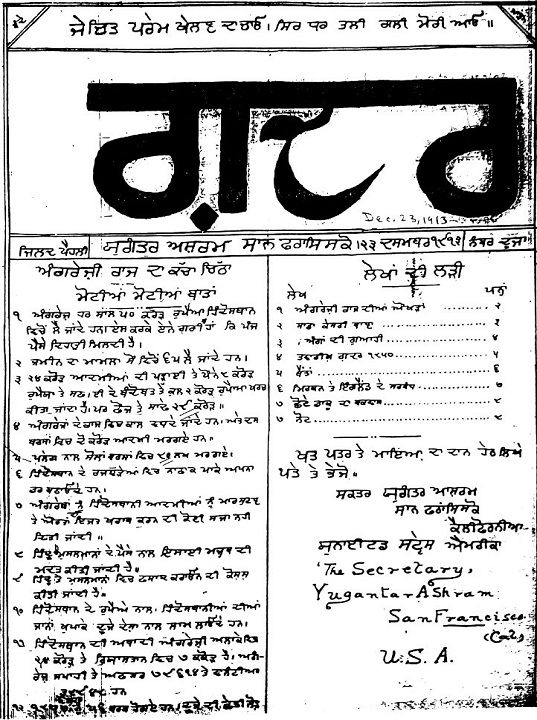
A year earlier, Punjabi migrants on the Pacific coast had founded the Ghadar party, named for "mutiny" or "revolt", to end British rule in India; its weekly paper, printed in San Francisco, came out in Urdu and then in Gurmukhi. The United States closed its own door with a 1917 law barring most immigration from Asia, and in 1923 the Supreme Court ruled that Bhagat Singh Thind, a man "born in Punjab", was not a "white person" under the naturalisation law. The ruling shut Indians out of American citizenship.
Those who stayed improvised. Barred from bringing wives from India, many Punjabi men in California married locally: the anthropologist Karen Leonard documented 378 such marriages between 1913 and 1949, most of them to women of Mexican descent. Americans called every Indian a "Hindu", so the families were known as "Mexican-Hindus", though many of the fathers were Sikh or Muslim.
Distance did not dissolve the hierarchies of the village. Mangu Ram, a young Dalit (the name now used by communities once treated as "untouchable") from Mugowal in Hoshiarpur district, reached California in 1909. By his own account he spent four years picking fruit in California for men from the landowning families of his own village. In the Ghadar party he found what the village had never given him. "It was a new society," he recalled; "we were treated as equals." He came home in 1925, and in June 1926 the founding meeting of the Ad Dharm ("the original faith"), a movement for the dignity of Punjab's lowest-ranked castes, was held at his village school, with Mangu Ram as its president. Five years later the census counted 418,789 Ad Dharmis in Punjab.
Until the late 1940s the doors of the West stayed mostly shut. It took the end of empire to open them, and in Punjab the end of empire began with a line on a map.
1947: the second migration
Inside Punjab, land-hungry families had long had a frontier to the west. From the 1880s the British dug a vast network of canals across the dry plains of western Punjab and settled the new farmland with colonists drawn largely from the crowded central districts, Sikh, Hindu and Muslim alike. Lyallpur, today Faisalabad, has no entry in the census of 1891; by 1921 it was a town of 28,000.
Partition erased that frontier. In August 1947 the Radcliffe Line put the canal colonies in Pakistan. In the violence that followed, Muslims fled west while Hindus and Sikhs fled east: in Punjab alone, somewhere between eight and ten million people crossed the new border. The colonists left in bullock-cart caravans miles long, past granaries full of wheat and orchards they had planted on land their families had worked for two generations. The historian Ravinder Kaur calls it "the second migration": for families who had moved west to the colonies a generation or two earlier, the second great move in living memory, and this time a forced one.
The arithmetic at the other end was harsh. By the official count, Hindu and Sikh landholders had left about 6.7 million acres in West Punjab; the Muslims who left East Punjab and the neighbouring princely states had left about 4.7 million, much of it poorer land. Officials shared out the shortfall through "graded cuts": a quarter off the first ten "standard acres" of every claim, then steeper cuts on each slice above, up to 95 per cent on everything beyond 500. Someone who had owned 10 standard acres got back seven and a half; someone who had owned 1,000 got back 128 and a half. M. S. Randhawa, the official who completed the resettlement, called the cuts "a harsh and cruel measure", but "inescapable and unavoidable under the circumstances".
East Punjab's refugee farmers got back, on average, less than two-thirds of what they had owned. Across the line, Muslim refugees from Amritsar, Jalandhar, Ludhiana and the rest of East Punjab were being settled on the fields that Sikh and Hindu families had fled, five to eight irrigated acres for a family of five, many of them after months in camps.
The pressure was there. What the leavers needed was a door, and Britain had one open.
Valait: why Punjabis went to Britain
Here is that clue. In Punjabi, the ordinary word for Britain is valāit. It came from Arabic wilāya, a province or realm, by way of Persian, and once meant any far country: Maya Singh's Punjabi dictionary of 1895 gives "the country of the foreign rulers of India, as Cabul, England". Under British rule its adjective, vilāyatī, came to mean foreign and above all English, and British soldiers in India picked up its regional form, bilāyatī. In the trenches of the First World War, "Blighty" was their word for home. So when Punjabi men set out for valāit in the 1950s, they were heading for a country whose own soldiers called it by a name borrowed from India.
The legal door was the British Nationality Act of 1948. Under it, citizens of Commonwealth countries, newly independent India and Pakistan among them, held the status of British subjects, and until 1962 a British subject could enter, live and work in Britain without restriction. Post-war Britain was short of labour, and the jobs on offer were the ones local workers avoided: the foundries of Smethwick and the Black Country, the textile mills of Bradford, and the Woolf's rubber works near Southall, whose manager, the local story goes, had served alongside Sikh soldiers in the war and was glad to hire them. By 1962 about nine in ten of its workers were Asian.
The men came from a surprisingly small number of places. In India, the great majority came from Doaba, the Bist Jullundur Doab of British records: the districts of Jalandhar and Hoshiarpur and the old princely state of Kapurthala. On the Pakistani side, they came chiefly from the Jhelum and Gujrat districts of Punjab, and from Mirpur and its neighbour Kotli, just across the Jhelum river in Pakistan-administered Kashmir (officially Azad Jammu and Kashmir), whose Pahari-Pothwari speech many linguists group with the western varieties of Punjabi, though many of its speakers regard it as a language in its own right. From Indian Punjab most of the emigrants were Sikhs, and Dalit communities such as the Ravidassia built their own places of worship abroad. Migration ran along the lines of the birādarī, literally "brotherhood", the kin group a family marries within: those already settled sponsored, housed and found work for the next.
Between 1961 and 1967 the Mangla Dam on the Jhelum put more than 280 villages under water, together with the old towns of Mirpur and Dadyal, and displaced about 110,000 people. Some were given British work permits as part of their compensation, though how many is disputed. Migration from Mirpur to Britain had begun years before the dam; the dam added to it. As a newspaper later reported, one Mirpuri told Ballard: "We don't cultivate wheat here any more, we cultivate visas."
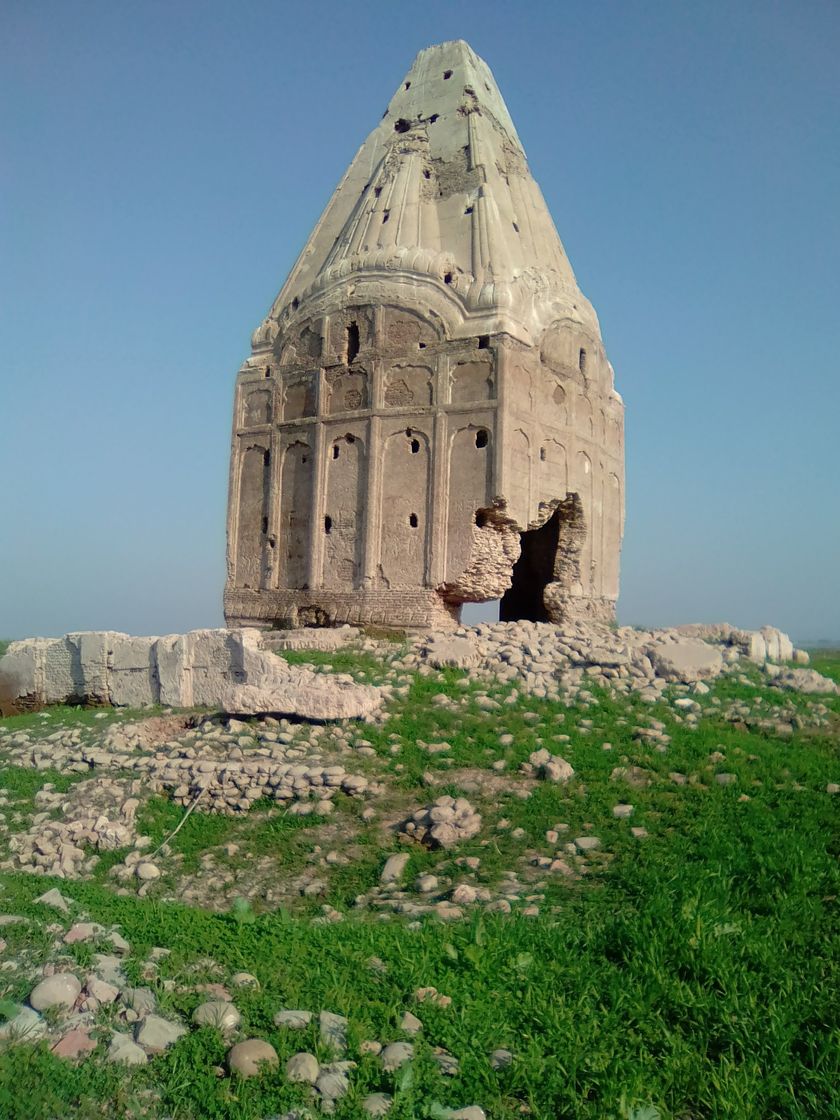
Most arrived as young men, alone, meaning to earn and go home. In the early years many Sikh men cut their hair and took off their turbans, because a turbaned man found it hard to get work.
Then Parliament changed the deal. From 1 July 1962 the Commonwealth Immigrants Act made most new workers obtain an employment voucher, and the vouchers were soon rationed. Some of its effects ran against its aim. Arrivals soared in the rush to "beat the ban", and because wives and children kept the right to join men already here, men who had planned to go home sent for their families instead. Many talked of going back for decades, what the sociologist Muhammad Anwar called "the myth of return". A workforce of sojourners became a settled community.
Settling meant fighting. In Smethwick, after an openly racist general-election campaign in 1964, white residents of Marshall Street asked the council to buy houses there as they fell empty and let them only to white families; the housing minister turned it down. On 12 February 1965 Avtar Singh Jouhl, a Punjabi foundryman and a leader of the Indian Workers' Association, brought Malcolm X to walk down Marshall Street. Nine days later Malcolm X was shot dead in New York.
In Wolverhampton in 1967 Tarsem Singh Sandhu, a bus driver, came back from three weeks' leave wearing a turban and a newly grown beard, and was sent home. In the two-year campaign that followed, thousands of Sikhs marched silently through the town, and Enoch Powell, one of its MPs, cited the dispute in his "Rivers of Blood" speech of 1968. Then Sohan Singh Jolly, a 66-year-old Akali leader, named Vaisakhi, 13 April 1969, as the day he would set himself on fire. On 9 April the transport committee gave way. Fourteen years later, in a case brought after a Birmingham school refused a turbaned Sikh boy, the House of Lords ruled that Sikhs are an ethnic group protected by race-relations law.
Not everyone came straight from Punjab. Thousands of Punjabi families arrived from Kenya and Uganda in the late 1960s and after Idi Amin expelled Uganda's Asians in 1972, many of them Ramgarhia Sikhs whose families had gone to East Africa as craftsmen under British rule: "twice migrants", in the scholar Parminder Bhachu's phrase.
Today Punjabi is the most common main language in England and Wales after English, Polish and Romanian. The 2021 census there counted 524,140 Sikhs and 1.6 million people of Pakistani heritage; by Ballard's estimate in 1991, well over half of Britain's Pakistani families traced their roots to Mirpur. And the town that sent a turbaned driver home in 1967 now has the highest share of Sikhs of any local authority in England and Wales, 12 per cent, and the highest share of people whose main language is Punjabi. It is Wolverhampton.

Canada: how the door reopened
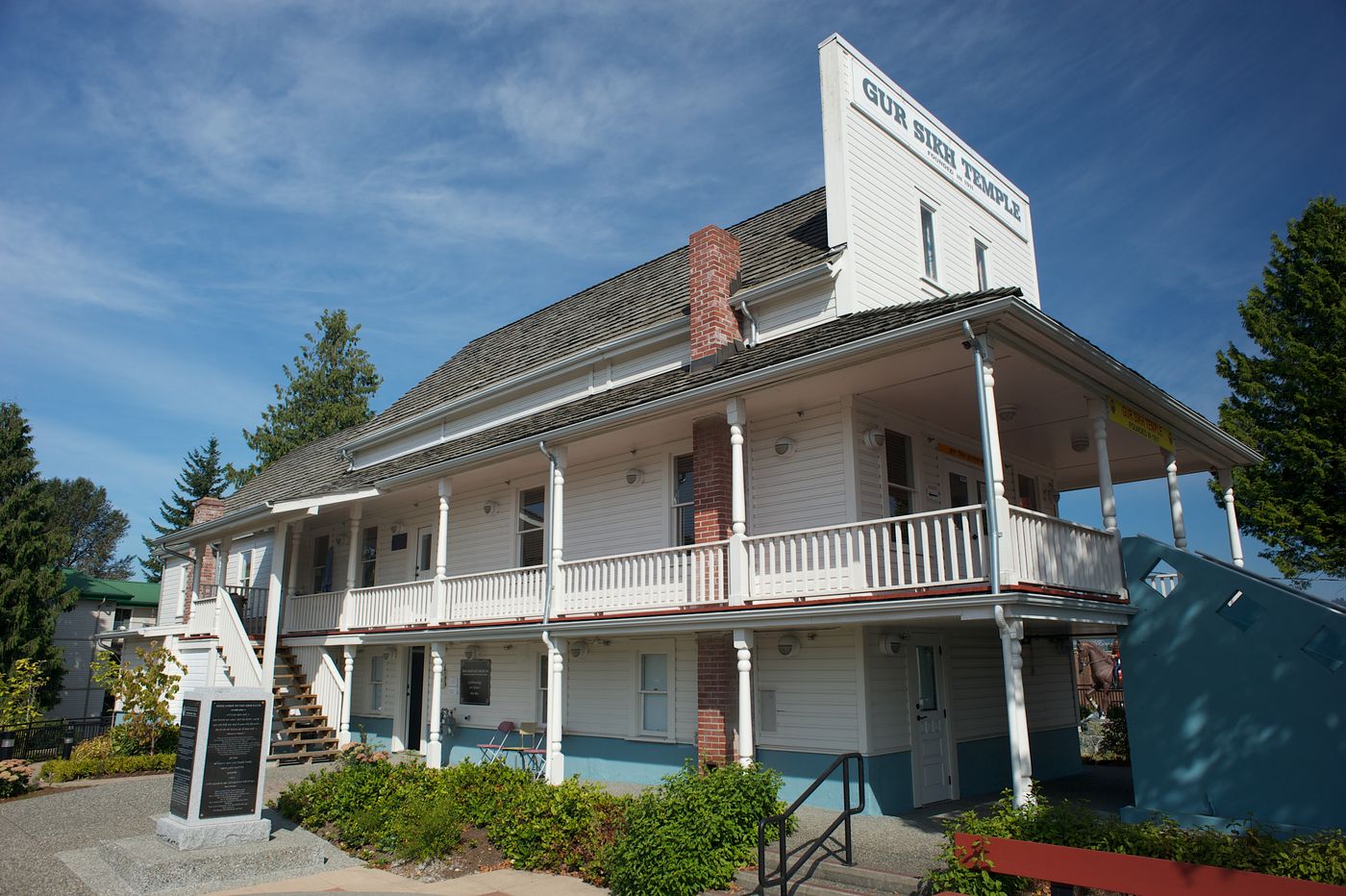
Canada lifted its colour bar slowly, and Punjabi Sikhs pushed at every stage. In 1947, after decades of lobbying, British Columbia restored their vote, and Ottawa dropped the continuous-journey rule. In its place, from 1951, came a quota: 150 immigrants a year from India, 100 from Pakistan and 50 from Ceylon. At the time there were 2,148 South Asians in the whole of Canada. In 1962 Canada scrapped the quotas and ended open racial selection, and in 1967 it brought in a points system that scored applicants on education, skills and language rather than on where they came from. Family ties did the rest: from then on Punjabi Canadians could sponsor relatives on the same terms as Europeans, and each new arrival could in time bring others.
The 1980s carried Punjab's crisis into the diaspora. In June 1984 the Indian army stormed the Golden Temple complex in Amritsar to remove armed militants. That October Prime Minister Indira Gandhi was assassinated by two of her Sikh bodyguards, and thousands of Sikhs were killed in the anti-Sikh violence that followed, most of them in Delhi. Grief and anger ran through Sikh communities abroad, and so did the demand for a separate Sikh state, Khalistan, a cause that divided the diaspora: in February 1985 Ujjal Dosanjh, a Vancouver lawyer who spoke out against the separatists' violence, was beaten with an iron bar. On 23 June 1985 a bomb destroyed Air India Flight 182 off the coast of Ireland, killing all 329 people on board, 268 of them Canadian citizens, most of Indian origin. The plot was traced to Sikh militants in British Columbia, but in 2005 the two men tried for the murders were found not guilty; only one man, Inderjit Singh Reyat, was ever convicted, for helping to build the bomb. It remains the deadliest terrorist attack in Canadian history.
Two summers later, before dawn on 12 July 1987, Vernon Malone of Charlesville, Nova Scotia, was woken by his son and found 174 people, all men but one, on the highway in thick fog. A freighter, the Amelie, had put them ashore in the night; almost all were Sikhs seeking asylum. "You gotta get these people off the highway," Malone said, "because they're going to be killed." The village fed them peanut-butter-and-jelly sandwiches and Kool-Aid at the fire hall. Seventeen years later more than seventy of them came back, with their wives and children, to thank the village, and Vernon Malone above all.
By the 1990s Punjabi Canadians were inside the institutions that had once shut them out. In 1993 Gurbax Singh Malhi became the first turban-wearing Sikh elected to the House of Commons, which until then had barred any headgear in the chamber, and in 2000 Ujjal Dosanjh, the lawyer beaten with an iron bar fifteen years earlier, became premier of British Columbia. In 2015 seventeen Sikhs won seats and four entered the federal cabinet; in 2016 the prime minister apologised in the House for the Komagata Maru. For eighteen years, until it was cancelled in August 2026, Hockey Night in Canada had its own Punjabi edition, whose commentator Harnarayan Singh's "Bonino Bonino Bonino!" at the 2016 Stanley Cup Final went viral far beyond Punjabi homes. The 2021 census counted 771,790 Sikhs, 2.1 per cent of the population: proportionally, Canada is more Sikh than India, where Sikhs were 1.7 per cent in 2011. Pakistani Punjabis belong to a smaller Pakistani-Canadian community of about 303,000, more than half of them around Toronto.
In the 2010s a new wave left Indian Punjab on student visas, and, unusually, many were young women leaving in their own right rather than as wives: in a Punjab Agricultural University survey of 2021–23, women took 65 per cent of the study visas. Households reported spending ₹18–25 lakh on a single study visa, and more than half had borrowed to send someone abroad. In 2024 Canada began capping study permits.
The United States: from the orchards to everywhere
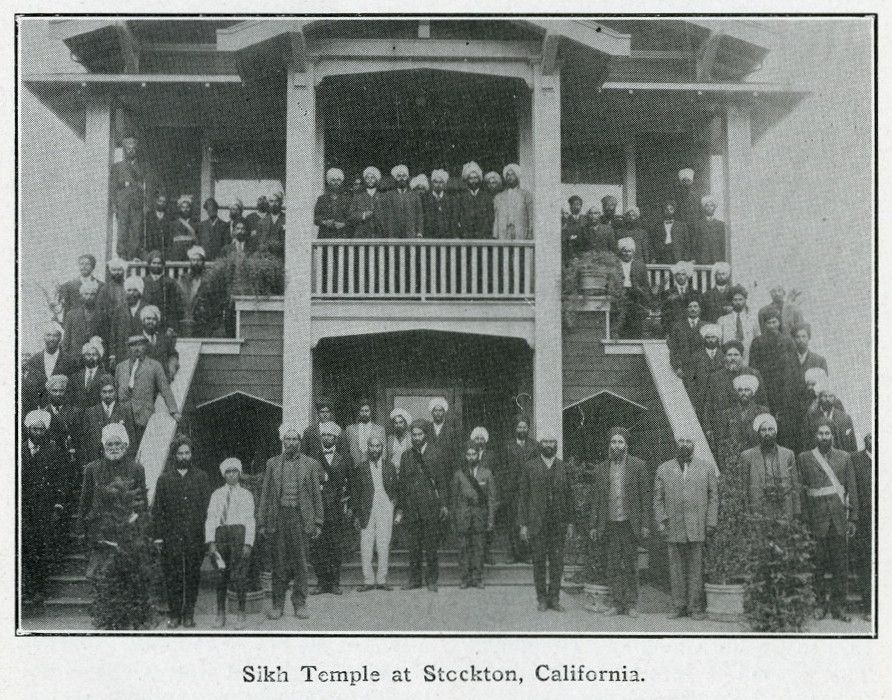
The United States reopened in two steps. The Luce–Celler Act of 1946 allowed a hundred Indians a year to immigrate and, more importantly, let Indians already in the country become citizens. One of them was Dalip Singh Saund, raised in a village sixteen miles from Amritsar, who had taken a doctorate in mathematics at the University of California and then farmed in the Imperial Valley for some twenty years. He became a citizen in 1949, and in 1956 he was elected to Congress, the first person of Asian descent elected to the House of Representatives.
As citizens, Punjabis could own land in their own names again, and the old farming settlements revived. Didar Singh Bains arrived in 1958 with eight dollars and became known as the Peach King; by High Country News's count, Punjabi American farms now grow more than 90 per cent of the peaches around Yuba City. The larger change came with the Immigration and Nationality Act of 1965, which abolished the old national-origin quotas and favoured family ties and scarce skills: many of the first to use it were educated professionals, and their relatives followed. Census surveys now count well over 300,000 people in the United States who speak Punjabi at home, nearly half of them in California.
Visibility carried a price. On 15 September 2001, four days after 9/11, Balbir Singh Sodhi was shot dead outside his petrol station in Mesa, Arizona, by a man who wanted revenge on Muslims and picked him out for his turban and beard. According to the Sikh civil-rights group SALDEF, he had been arranging American flags. On 5 August 2012 a gunman shot dead six worshippers at the gurdwara in Oak Creek, Wisconsin; a seventh, Baba Punjab Singh, died of his wounds in 2020.
And irregular routes grew. The number of Indians seeking asylum in the United States rose eightfold, from about 6,000 in 2020 to 51,000 in 2023. Between 2001 and 2022, according to a 2025 Johns Hopkins study by Abby Budiman and Devesh Kapur, two-thirds of the asylum cases involving Indian nationals were filed by Punjabi speakers. The perilous journeys that agents arrange through several countries have a Punjabi name, ḍaṅkī, the "donkey route", whose own origin is disputed.
Dubai Chalo: the Gulf
The fourth great destination ran on different rules. After oil prices rose several-fold in 1973–74, the Gulf states embarked on huge development projects and hired the workers they needed on fixed contracts, many of them from South Asia. Pakistan's Bureau of Emigration and Overseas Employment, founded in 1971, has since registered more than fifteen million departures for work abroad, over nine-tenths of them to the Gulf and more than half from Punjab province, about Punjab's share of the country's people. These count registrations, not separate people.
Under the kafala ("sponsorship") system, a worker's visa and right to stay were tied to the employer who sponsored him, and citizenship was almost never on offer. Men went out on contracts, often of two or three years, at the end of which they had to go home. Their wages came home as remittances, which, the scholar Riaz Hassan wrote in 2017, "have contributed greatly to poverty reduction in Pakistan". In 2025–26 Saudi Arabia and the United Arab Emirates sent home about 45 per cent of the $41.6 billion that Pakistani workers abroad remitted, nearly twice as much as Britain and the United States combined. Pakistan's film industry caught the mood in 1979 with Dubai Chalo ("Let's go to Dubai"), a hit Punjabi-language film about the rush to Dubai and the people fleeced chasing it. Its star, Ali Ejaz, later said it was a true story, and that it saved many would-be migrants from being robbed.
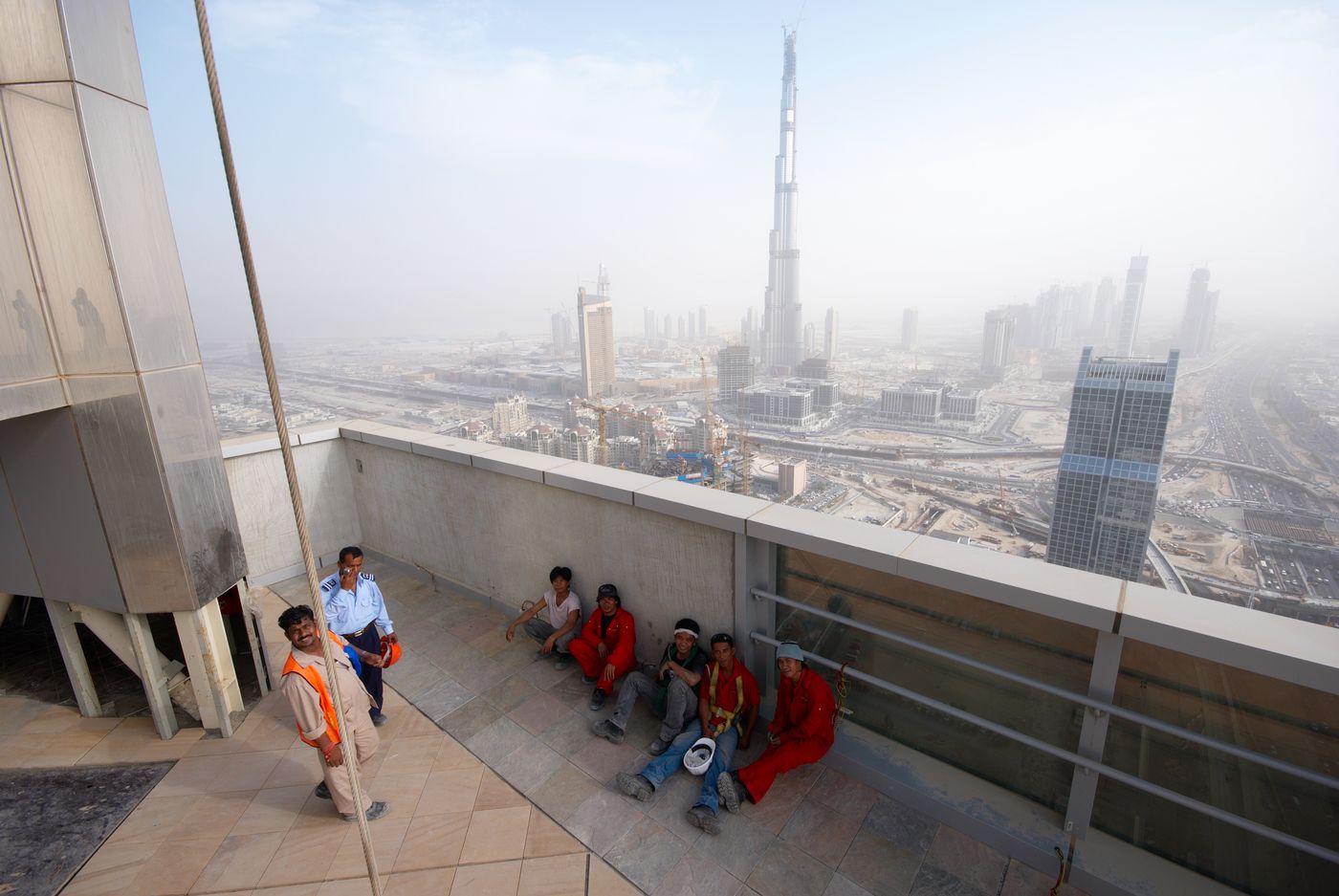
From Indian Punjab the Gulf became the cheaper road. In the Punjab Agricultural University survey of 2021–23, Canada took 42 per cent of the leavers it recorded and Dubai 16, ahead of Australia, Italy and, at about one in thirty, valāit. A work or spouse visa cost about ₹4 lakh, against ₹18–25 lakh for a study visa. Across all destinations, the survey's authors reported that most low-caste, low-income and landless labouring households who sent someone abroad had sold houses or gold to pay for it.
Why these villages?
Emigration never left Punjab evenly. It poured out of particular districts, and often particular villages: Jalandhar and Hoshiarpur in India; Jhelum and Gujrat in Pakistan, with Mirpur next door. The town of Kharian in Gujrat district is nicknamed "Little Norway": by one count, close to eight in ten Pakistanis in Norway trace their roots there. Why these places? Five explanations recur.
The first is land. Punjab's custom gave every son an equal share of his father's land, so holdings shrank generation after generation: in 1925 the British official Malcolm Darling found Jullundur's farms averaging three to five acres, and wrote that their fragmentation "exceeds all belief". Partition's graded cuts made the squeeze worse. The second is empire. Soldiering, and work abroad as policemen, watchmen and traders, had already taken men from these districts overseas; Darling wrote that the enterprising Jat who went abroad might be found "sawing wood in Canada, tinning fruit in California". The third is networks: once a few pioneers had settled, each could sponsor, house and find work for the next, and migration began to feed itself. The fourth is money. Leaving was expensive, so the first leavers were rarely the poorest villagers; more often they were small landowners who could mortgage a field to buy a ticket. The fifth is caste. Going abroad promised Dalit families a way out of the village hierarchy, though Mangu Ram, one of the first, said he found it waiting for him in the orchards of California.
Do more Punjabis now live abroad than at home?
You may have heard that there are now more Punjabis outside Punjab than inside it. There are not, and the reasons are worth seeing. Most Punjabis are Pakistani. Pakistan's 2023 census recorded Punjabi as the mother tongue of about 37 per cent of 241 million people, close to 90 million, and India's 2011 census counted about 33 million more. (Who counts as Punjabi is itself argued over: Pakistan counts Saraiki and Hindko separately, and India's figure includes related varieties such as Bagri.) No census counts the diaspora as a whole, but no estimate comes near the numbers at home: Canada, home to the best-documented community, counted about 942,000 people who could speak Punjabi in 2021. Even among Sikhs, whose communities abroad are the most visible, eight or nine in ten live in India, and the 2011 census found more than three-quarters of India's Sikhs in the state of Punjab.
How sure are we? Well-established on the direction. The exact shares are estimates, because no census counts the diaspora as a whole and several countries, the United States among them, do not ask about religion in their census.
Why does the myth feel true? Because emigration is concentrated: more than one in eight rural households in Indian Punjab has a member living abroad, according to the Punjab Agricultural University survey, and almost three-quarters of the emigration it recorded since 1990 came after 2016. Because the diaspora is loud, in the best sense: a good deal of Punjabi music is now made in Birmingham, Surrey and Brampton. And because it is rich enough, and organised enough, to shape life at home. The scholar Pritam Singh writes of three Punjabs: Indian Punjab, Pakistani Punjab and diasporic Punjab. The diaspora, he argues, has fed both a powerful idea of one Punjabi identity and many divisions within it. The third Punjab is by far the smallest. It is not the quietest.
Pardes and watan
What did the leavers change at home? Much of what you can see from the road: the multi-storey koṭhī houses that stand apart from the old village lanes, and the aeroplanes on their roofs. A koṭhī was izzat, a family's honour and standing, made visible. Whether all that money brought lasting development is argued over. Studying Mirpur, just across the Jhelum from Punjab and the district that sent so many people to Britain, Ballard called what he found "capital-rich under-development": money poured in, but no lasting local economy grew from it. And in Indian Punjab the university survey, as reported, found that 52 per cent of the elderly people in the households it studied complained of loneliness.
Go back, then, to the aeroplane on the roof. It is built to look as if it is leaving. But very often it is also the house's water tank, holding the water the house below lives on. In Punjabi a ship is a jahāz and an aeroplane a havāī jahāz, an "air ship". In 1914 the jahāz that carried Punjabis to the edge of a closed country was the Komagata Maru. Since the 1950s the jahāz has flown. The leaving was real, and so was the loss. But the plane on the roof keeps the taps running.
Punjabi has two words for the places in this story: pardes, the foreign land, and watan, the homeland. For the grandchildren of the first leavers, born in Southall or Surrey or Stockton, the two words can feel as if they have changed places. The great migrations did not empty Punjab. They made it larger than its map.
Timeline
| When | What |
|---|---|
| 1896–1901 | Some 32,000 indentured workers from British India, many of them Punjabi, build the Uganda Railway; 6,724 stay in East Africa. |
| c. 1904–1908 | Punjabi men, mostly Sikh, arrive in British Columbia; by 1908 more than 5,000 South Asians have landed in Canada. |
| 1908 | Canada's continuous-journey regulation (January): 2,623 people of Indian origin enter Canada in 1907–08, six in 1908–09. |
| 1913 | Punjabi migrants on the Pacific coast found the Ghadar party. |
| 1914 | The Komagata Maru is held in Vancouver harbour for two months and turned away. |
| 1923 | The Thind ruling shuts Indians out of American citizenship. |
| 1947 | Partition divides Punjab. British Columbia restores South Asians' vote, and Canada drops the continuous-journey rule. |
| 1948 | The British Nationality Act: Commonwealth citizens, Indians and Pakistanis among them, hold the status of British subjects, free to live and work in Britain. |
| 1951 | Canada sets annual quotas: 150 from India, 100 from Pakistan, 50 from Ceylon. |
| 1961–1967 | The Mangla Dam drowns old Mirpur and more than 280 villages, and displaces about 110,000 people. |
| 1962 | Britain's Commonwealth Immigrants Act brings in employment vouchers (1 July). Canada scraps its quotas and open racial selection. |
| 1965 | Malcolm X walks down Marshall Street, Smethwick, with Avtar Singh Jouhl. The United States ends national-origin quotas. |
| 1967 | Canada adopts a points system. The Wolverhampton turban dispute begins. |
| 1972 | Uganda expels its Asians; Punjabi "twice migrants" from East Africa settle in Britain. |
| 1973–1974 | Oil prices rise several-fold, and Gulf recruitment of South Asian workers takes off. |
| 1984 | The Indian Army storms the Golden Temple complex in Amritsar (June). After Indira Gandhi's assassination in October, thousands of Sikhs are killed in anti-Sikh violence, most of them in Delhi. |
| 1985 | Air India Flight 182 is bombed; all 329 people on board are killed. |
| 1987 | The Amelie lands 174 asylum seekers near Charlesville, Nova Scotia (12 July). |
| 2016 | Canada apologises in Parliament for the Komagata Maru (18 May). |
| 2021 | Censuses count 771,790 Sikhs in Canada (2.1 per cent) and 524,140 in England and Wales. |
Quick answers
When did Punjabis start emigrating?
Punjabis served the British Empire overseas as soldiers, policemen and labourers from the late nineteenth century, and began settling in Canada and the United States in the early 1900s. Mass emigration came after Partition in 1947: to Britain from the 1950s, to Canada and the United States after their reforms of 1962–67, and to the Gulf after the oil-price rise of 1973–74.
Why did so many Punjabis move to Canada?
Sikh pioneers settled in British Columbia from about 1904, but Canada all but shut Indians out from 1908 to 1947. After it scrapped its quotas and open racial selection in 1962 and adopted a points system in 1967, family sponsorship let communities grow fast. In 2021 Canada counted 771,790 Sikhs, the largest Sikh population recorded by any census outside India.
Why did Punjabis go to Britain after Partition?
Under the British Nationality Act of 1948, citizens of Commonwealth countries, India and Pakistan among them, held the status of British subjects and could live and work in Britain freely until 1962. Britain needed workers for its foundries, mills and factories; pioneers who had settled before 1947 gave newcomers a foothold; and in East Punjab Partition had sharpened the competition for land. Most early migrants came from Doaba in India, from the Jhelum and Gujrat districts of Pakistani Punjab, and from neighbouring Mirpur in Pakistan-administered Kashmir.
Do more Punjabis or Sikhs live abroad than in Punjab?
No. Close to 90 million people in Pakistan and about 33 million in India have Punjabi as their mother tongue, far more than live abroad. Eight or nine in ten of the world's Sikhs live in India, and more than three-quarters of India's Sikhs live in the state of Punjab (2011 census).
Why is Doaba called Punjab's NRI belt?
Doaba ("two waters") is the land between the Beas and Sutlej rivers: the districts of Jalandhar, Hoshiarpur, Kapurthala and Shaheed Bhagat Singh Nagar (formerly Nawanshahr). It sent many of the first post-war emigrants, and its villages are full of houses built with money earned abroad. NRI stands for Non-Resident Indian.
What does pardes mean?
Pardes (ਪਰਦੇਸ / پردیس) is Punjabi for a foreign land, a place where you are a stranger. Its opposite is watan (ਵਤਨ / وطن), the homeland. The pair runs through Punjabi speech and song about leaving home.
Punjabi words in this article
Every Punjabi word with a pop-up gloss on this page, in the order it first appears. Words with a link have an entry in our word archive, with pronunciation, origin and an example sentence; all of them, and above all their Shahmukhi spellings, await a native reader's review.
| Word | Say it | Meaning |
|---|---|---|
| duābāਦੋਆਬਾ · دوآبہ | “do-aa-baa” | "two waters": land between two rivers; as a name, the country between the Beas and the Sutlej |
| pardesਪਰਦੇਸ · پردیس | “pur-days” | a foreign land: wherever home is not. The one who lives there is a pardesī |
| ġhadarਗ਼ਦਰ · غدر | “ghuh-DUR”, the gh soft and throaty; many say a plain g | revolt, mutiny; upheaval. It gave its name to the Punjabi emigrants' movement and paper of 1913 |
| jaṭṭਜੱਟ · جٹ | “jutt” | a large community of landowning farmers found across both Punjabs, among Sikhs, Muslims and Hindus alike |
| valāitਵਲਾਇਤ · ولایت | “vuh-LAA-it”; many say it as two syllables, “vuh-LAIT” | England, Britain; in older use any foreign country, Kabul included. From Arabic wilāya, a province |
| birādarīਬਿਰਾਦਰੀ · برادری | “bir-aa-dur-ee” | the kin group a family marries within: wider than the household, narrower than the caste |
| Rāmgaṛhīāਰਾਮਗੜ੍ਹੀਆ · رامگڑھیا | “raam-GUR-hee-aa” | a Sikh community traditionally of carpenters, masons and smiths, named after the eighteenth-century leader Jassa Singh Ramgarhia |
| lakkhਲੱਖ · لکھ | “lukh” | a hundred thousand: ₹18 lakh is 1,800,000 rupees |
| ḍaṅkīਡੰਕੀ · ڈنکی | “DUNG-kee”, the d with the tongue curled back | the "donkey route": an agent-arranged, irregular journey through several countries; popularly spelt dunki. Its origin is disputed |
| koṭhīਕੋਠੀ · کوٹھی | “KOH-thee”, the th with the tongue curled back and a puff of breath | a large house standing on its own. By 1930 the word also named an English-style bungalow, and a banking house |
| izzatਇੱਜ਼ਤ · عزت | “izz-at” | honour, respect: a family's standing in others' eyes |
| jahāzਜਹਾਜ਼ · جہاز | “juh-HAAZ”, the h softened towards a tone in everyday speech | a ship; in full havāī jahāz, "air ship", an aeroplane. From Arabic, where it meant equipment: a camel's saddle-gear, a bride's trousseau |
| watanਵਤਨ · وطن | “vuh-tun” | homeland: the earth you come from, usually spoken of with longing |